
Looks like you might be in Australia
You've landed on our NZ website, click the link below to head to the Australian site, or click out of this box if you are actually in NZ!
Visit Australian SiteStay on NZ website instead

When delivering construction projects based in ecologically sensitive areas, such as our native forests, contractors consider the ecological impacts of their construction. To receive consents, they’ll often be required to engage ecologists to prepare Ecological Impact Assessments (EcIA) and replanting plans to restore any native flora that may need to be removed as part of the project.
Replanting is a great way to leave a more positive impact on our local environments, but the real key is ensuring that this impact lasts.
As part of a wastewater project next to Lawson’s Creek in West Auckland, Watercare engaged with Morphum’s ecology team to conduct a full EcIA on the site. Lawson’s Creek runs through Moire Park, a stretch of native forest that contains a popular walkway for the local community and a stream featuring a nature-based fish passage designed by our very own engineering team.
.jpg)
After understanding the ecological values of the area and assessing the impacts that this project would have, Morphum was engaged to prepare a full planting plan to minimise the impacts on local vegetation, birds, and lizards.
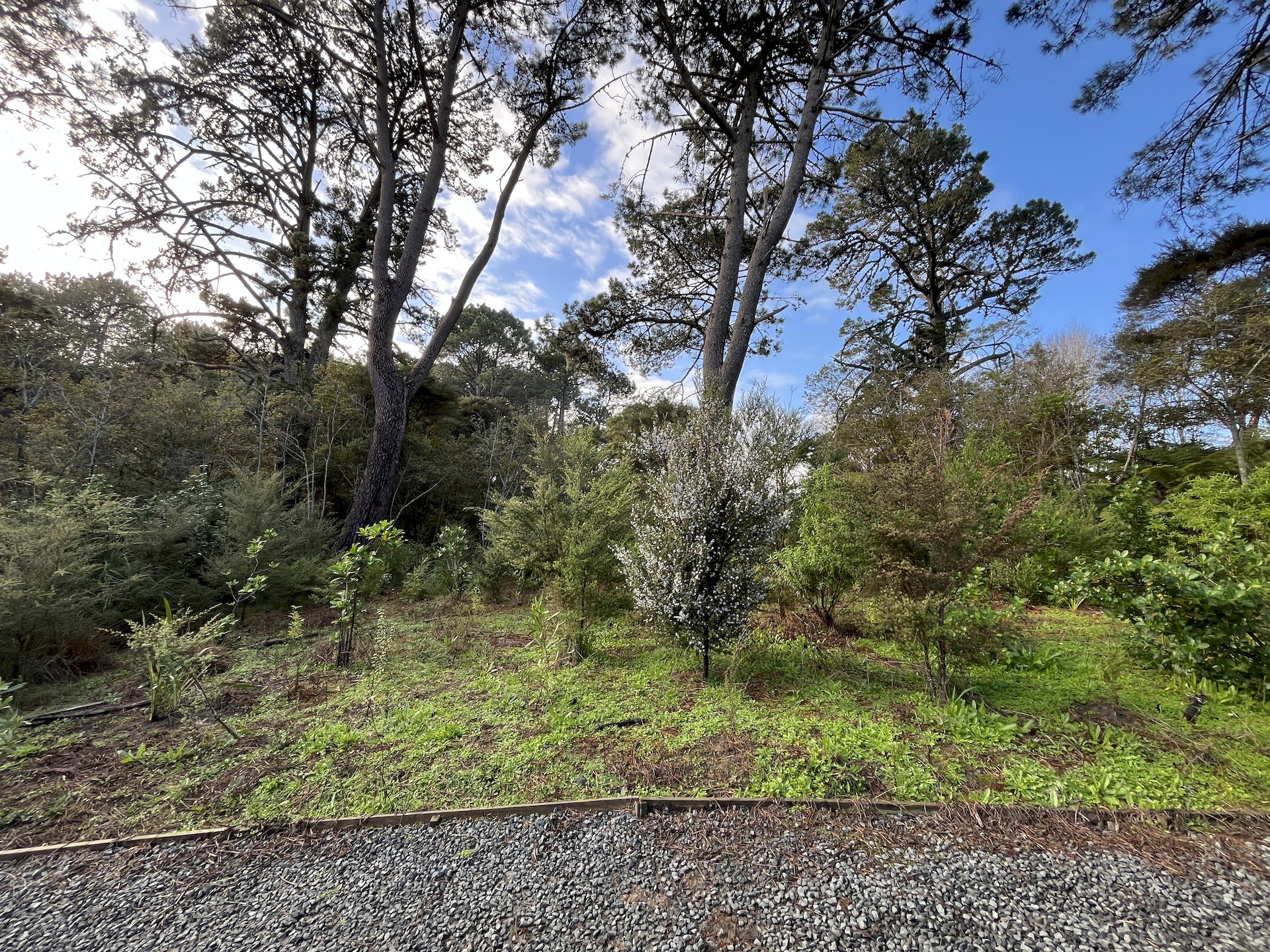
Following the planting plan, approximately 500 native plants were planted on the site, a huge success for the local environment and communities, on top of the successful delivery of a wastewater system upgrade.
After the construction and planting had concluded, it may be a requirement from local Councils that ecologists must be regularly engaged for annual monitoring to ensure the native species are establishing themselves and creating a healthy habitat.
In this case, Pipeline & Civil chose this 5-year maintenance as a proactive measure to ensure that their positive impact is also a lasting impact.
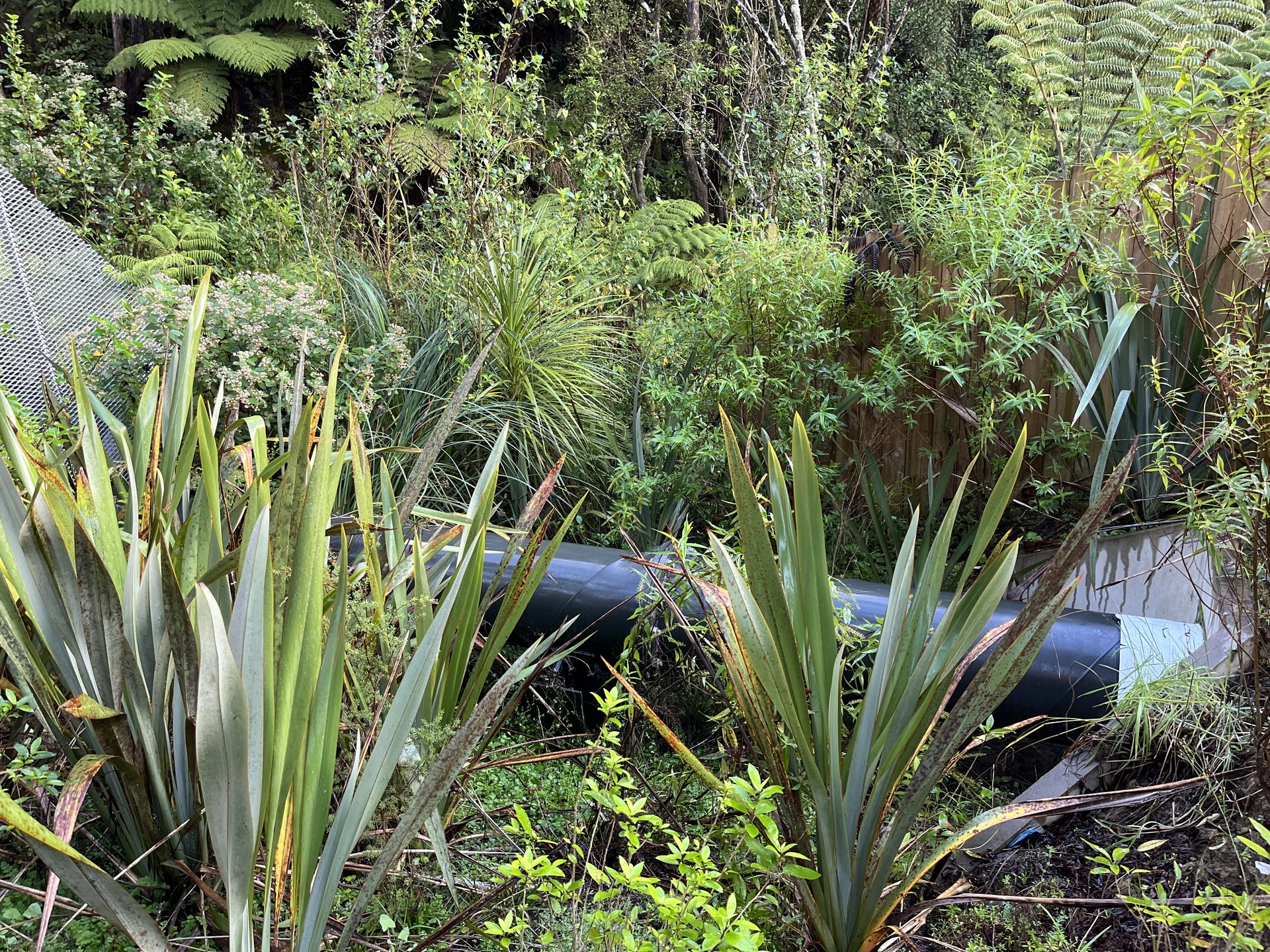
Morphum’s terrestrial ecologists have performed these annual monitoring inspections for the last four years and will continue to do this for the final year as well. Together with the planting contractors, we’re able to help the establishment of these plants, including working on solutions to reduce waste dumping in the area.
Currently, these plants are on track to successfully establish and grow into a beautiful space for birds, lizards, and the local community that enjoy the reserve on a daily basis.
%20(Optimised).JPG)
%20(Optimised).JPG)





.jpg)