
Lizard Salvage for State Highway Access Road Earthworks

Location
Auckland
Client
It’s often assumed that modified landscapes are stripped of their ecological value, particularly when they’ve been heavily modified through agriculture or previous land use. Even disturbed environments can provide habitat for native species to move into, and so conducting ecological supervision in areas where these native species may be found is an important step to managing the ecological impacts of construction works.
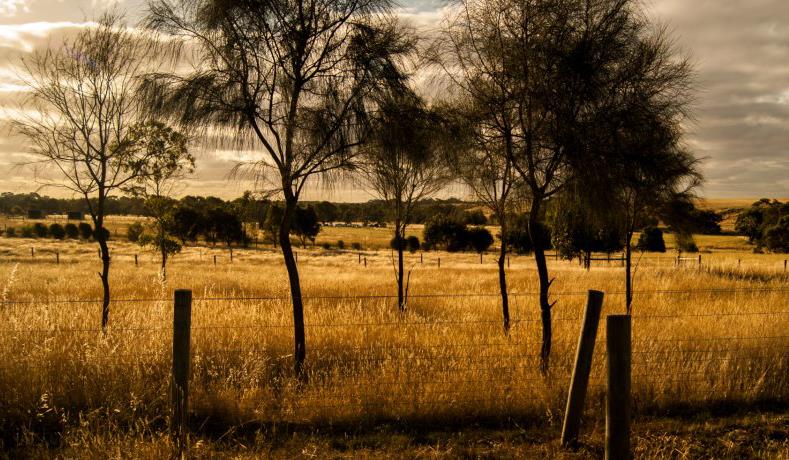
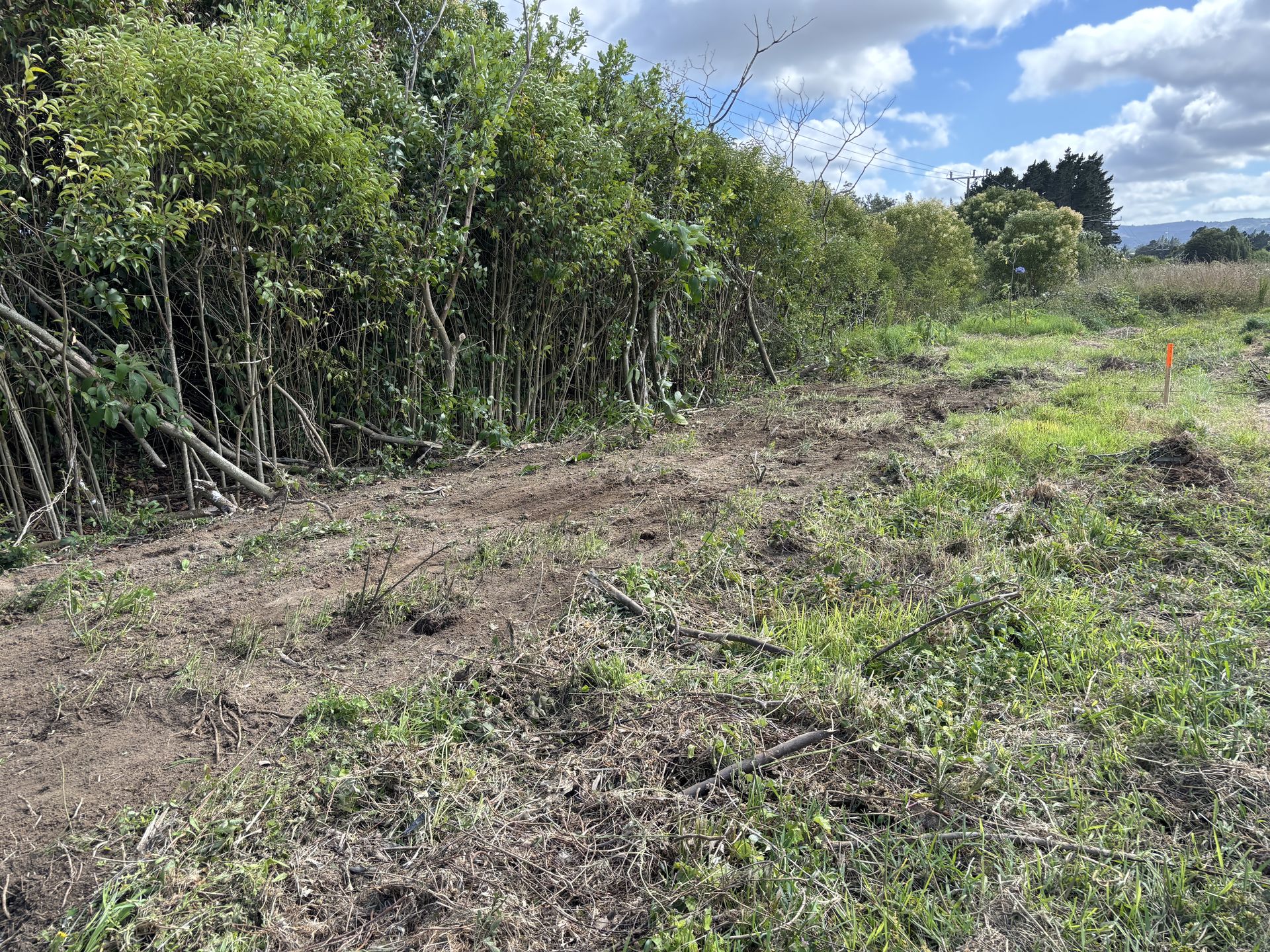
Morphum’s ecology team was engaged to support vegetation clearance works for the construction of a new road to a train station in Auckland. The site was previously used for greenhouse-based horticulture which had subsequently been demolished and was now dominated by exotic vegetation including grasses, pampas and hedgerows.
As part of the Outline Plan of Works, required under the designation, andto manage the ecological impact of the works and ensure compliance with the Wildlife Act (1953), a lizard salvage would be required both before and during the vegetation clearance.
Rather than treating the entire site uniformly, Morphum’s approach focused on identifying and prioritising areas of potential lizard habitat before executing any salvage operations, reducing the time required to be on site and utilising the client’s budget in the most effective and efficient way.
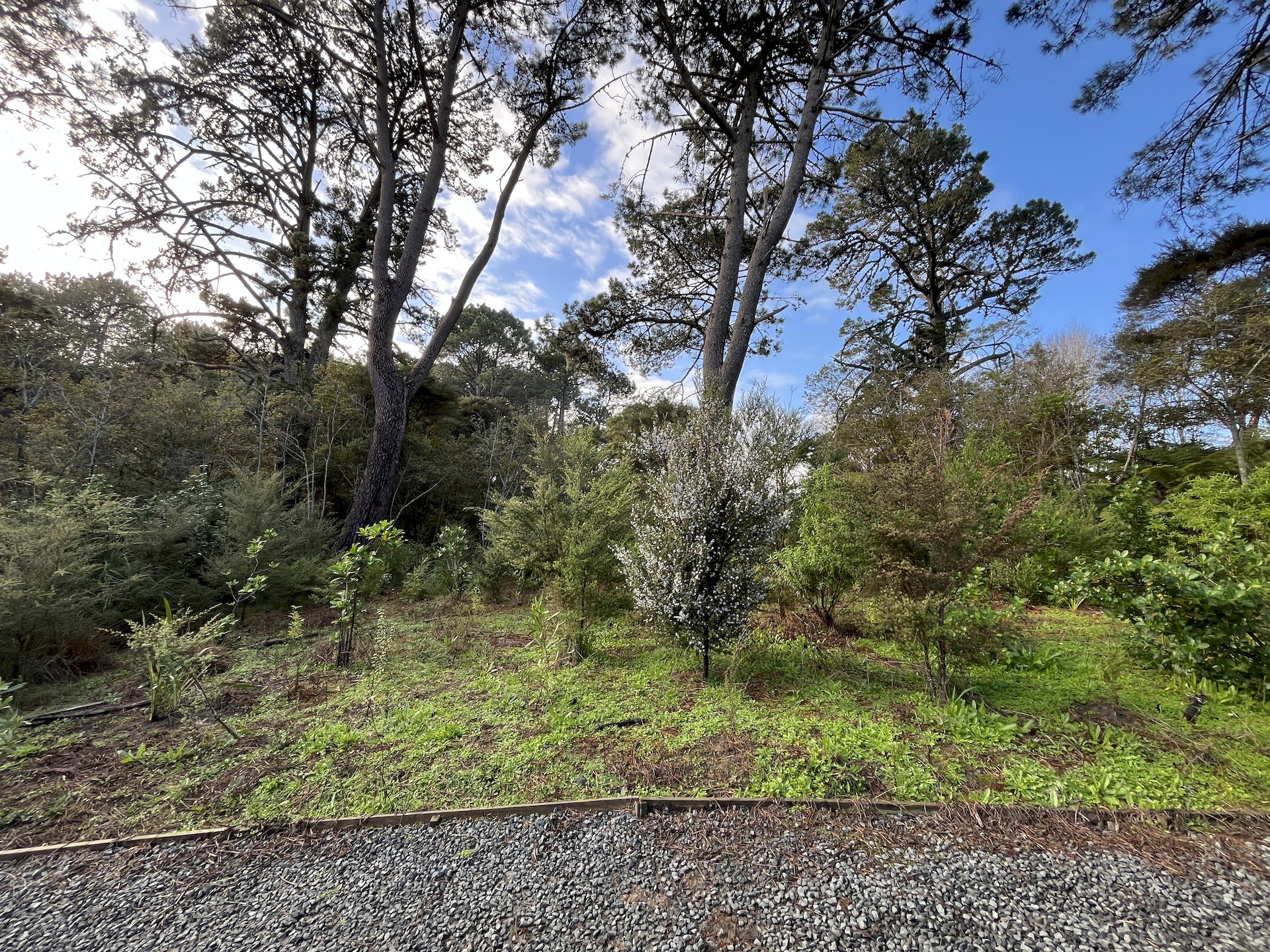
Initial site assessments identified pockets of denser vegetation, which had potential to support native fauna. While most of the site was highly modified, these small refuges can play an important role in providing shelter and foraging opportunities for remnant populations of native lizards.
Our team worked closely with contractors to ensure that salvage efforts aligned with construction sequencing and site conditions as they changed. Using a careful, methodical process, vegetation was gradually removed under the supervision of a qualified ecologist.
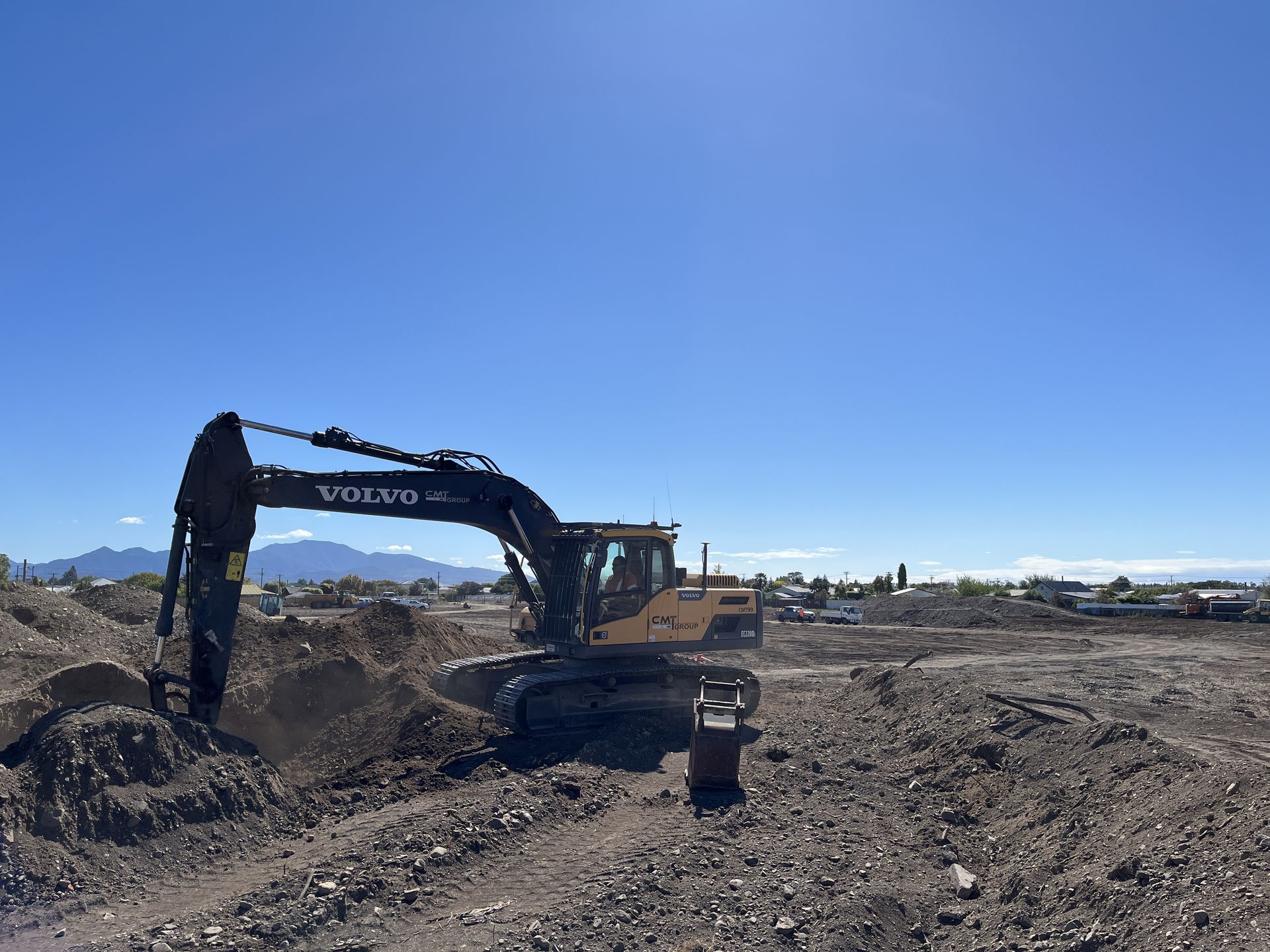
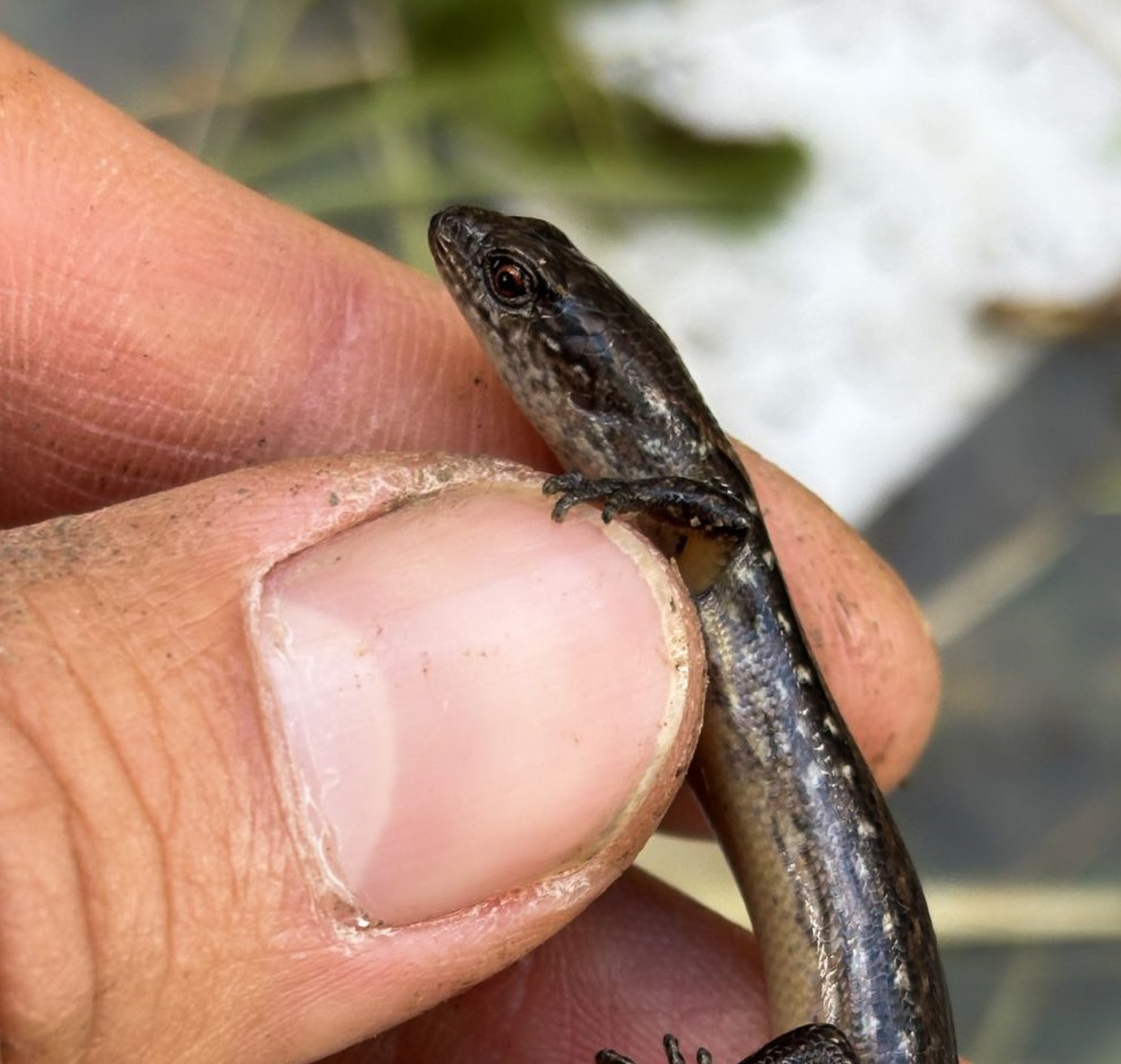
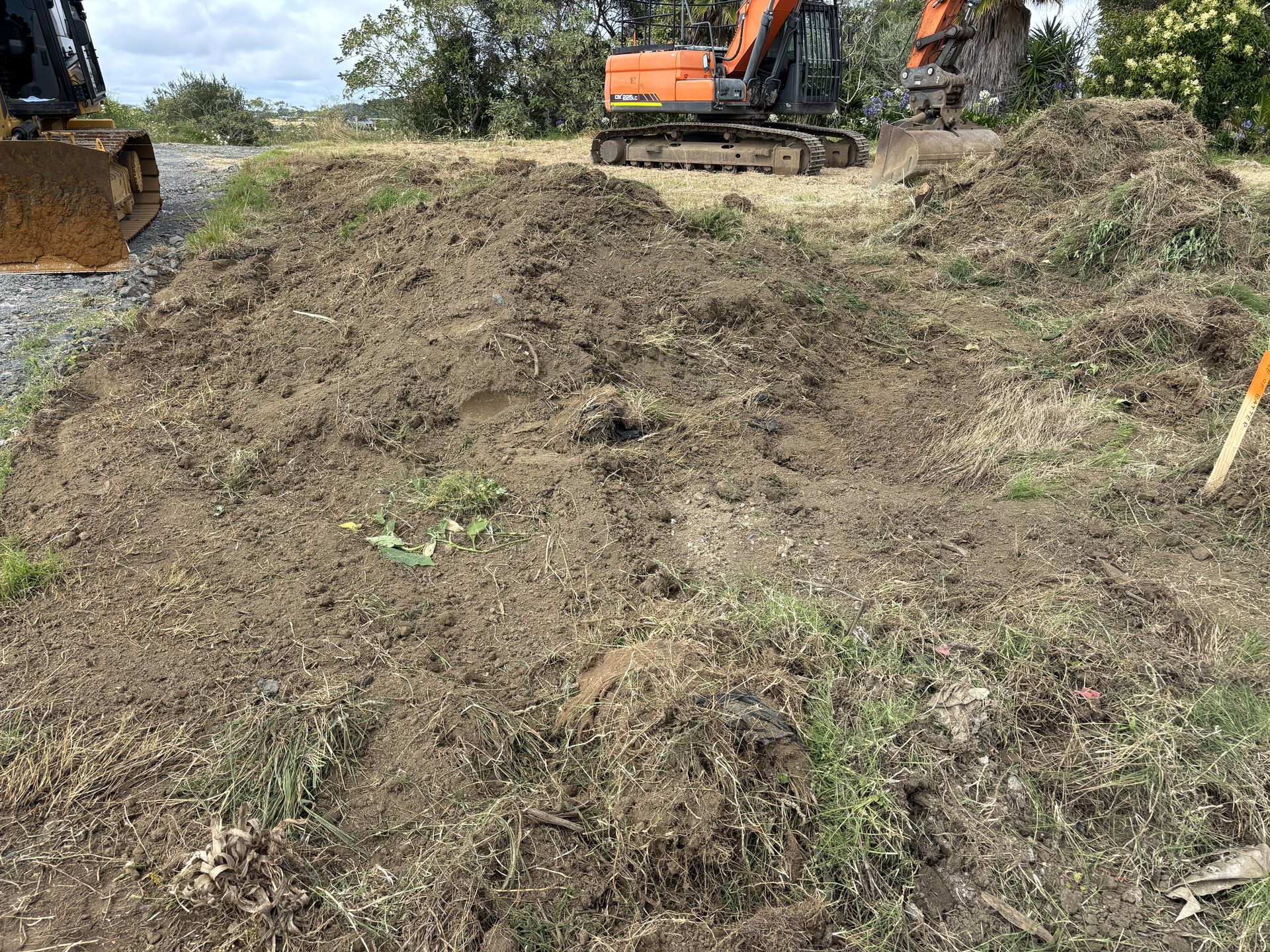
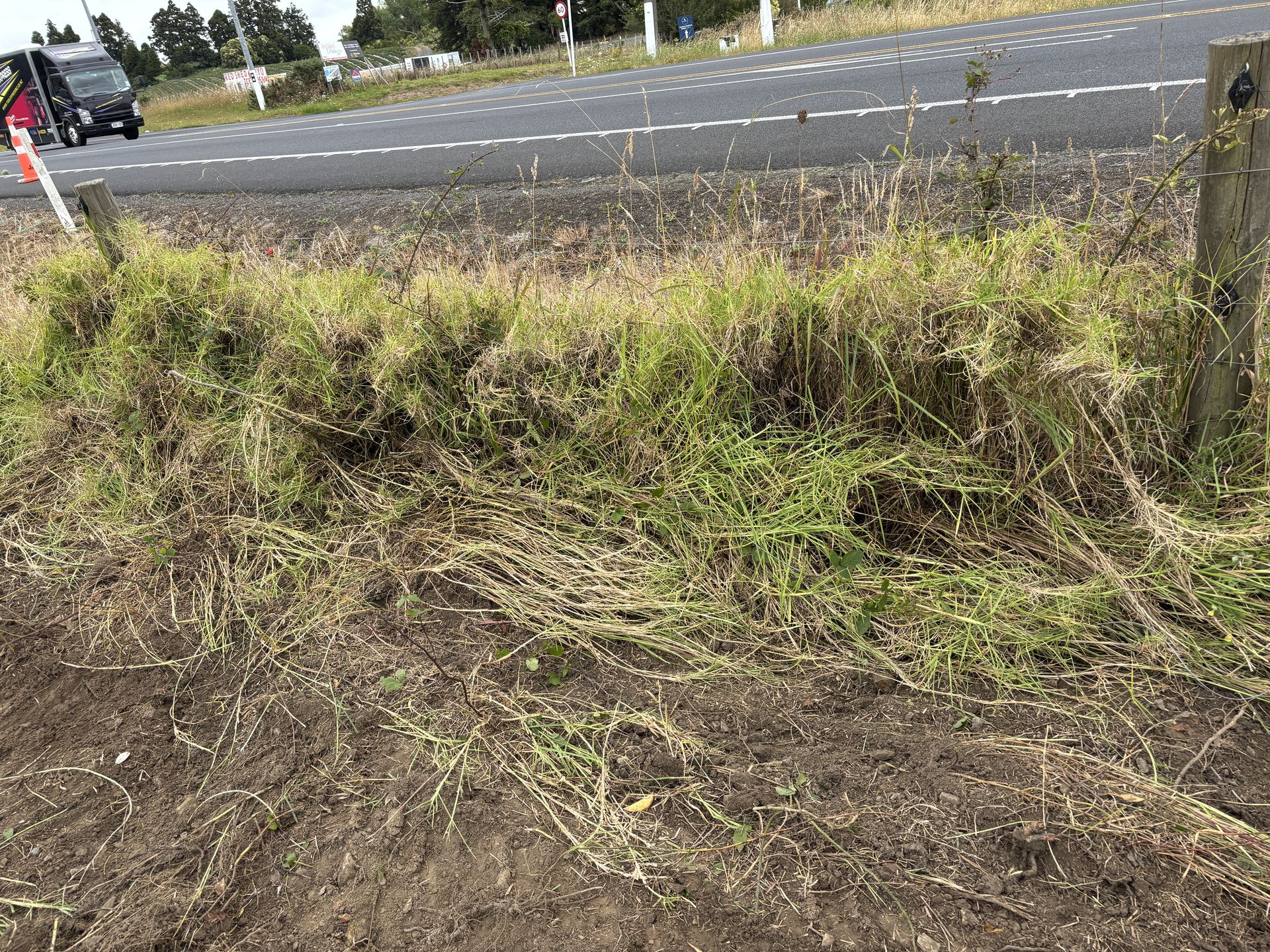
This involved machinery operators slowly scraping back vegetation while our team observed and searched for any lizards present. When detected, individuals were safely captured and relocated to suitable nearby habitat. At times, this work required short notice attendance to keep pace with construction activities, and our ecology team was prepared to attend site as required.
Across the approximately 5,000 m² of exotic vegetation clearance, this approach was repeated as new areas were opened for works.
Following the lizard salvage and the successful relocation of native species to nearby suitable habitat, the contractor was able to mitigate their ecological impacts and meet compliance requirements for the infrastructure project.


%20(2).jpg)
%20(Small).png)
.jpg)
.jpg)
.JPG)