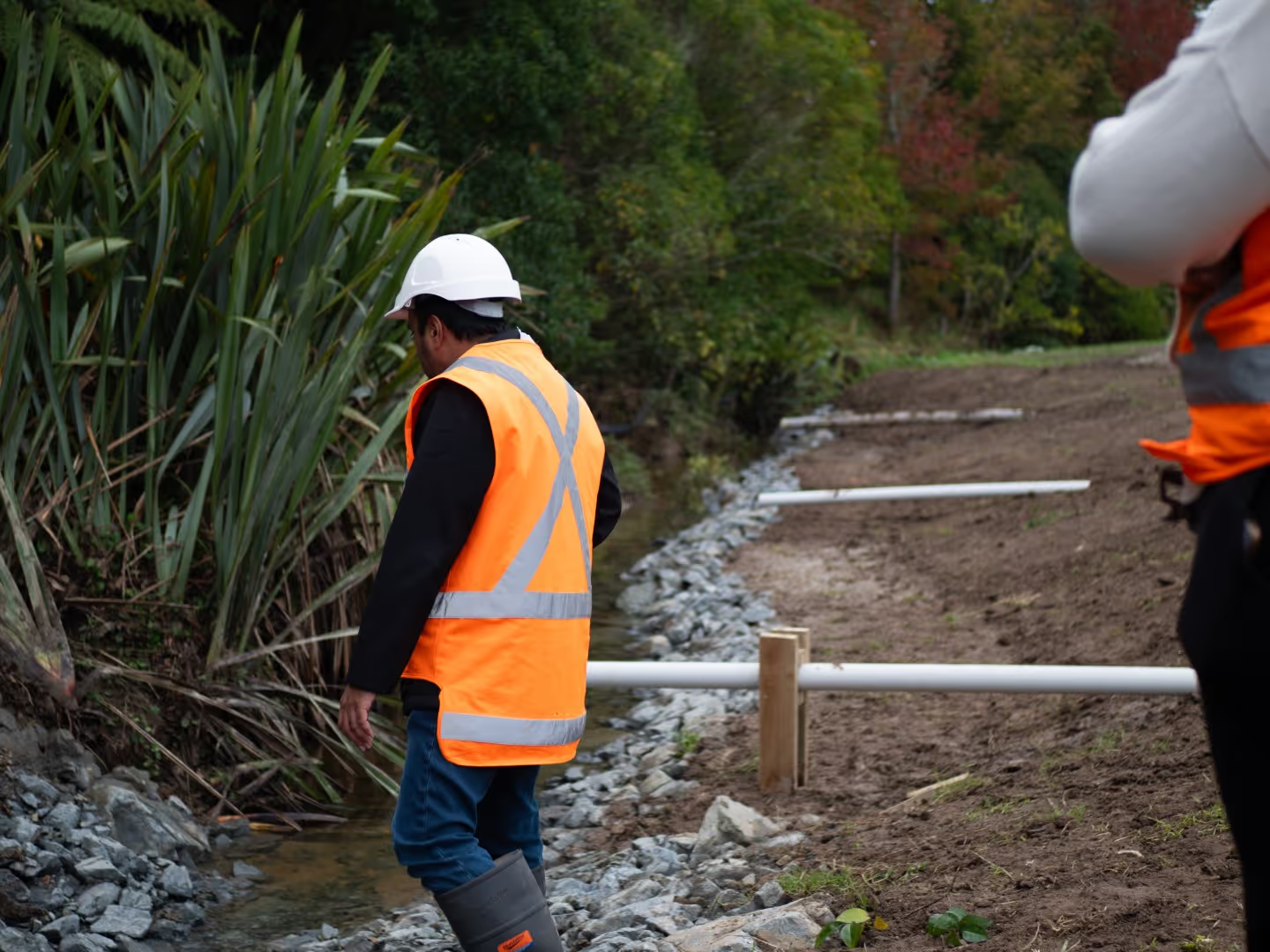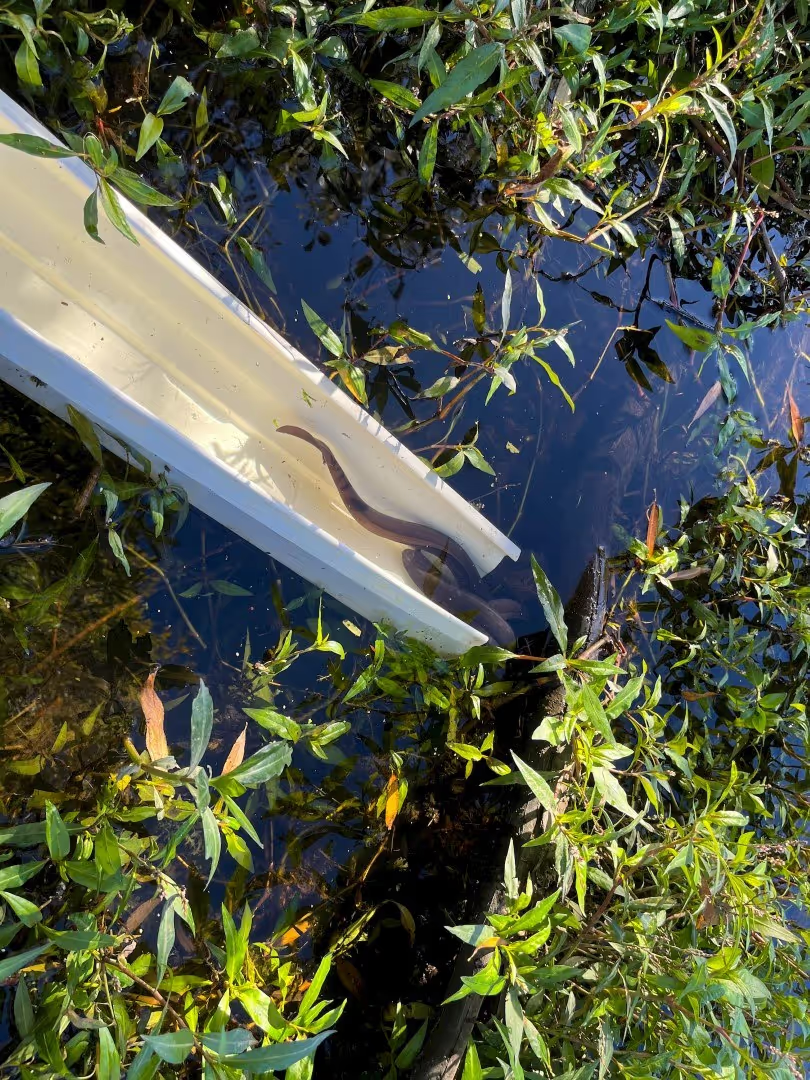
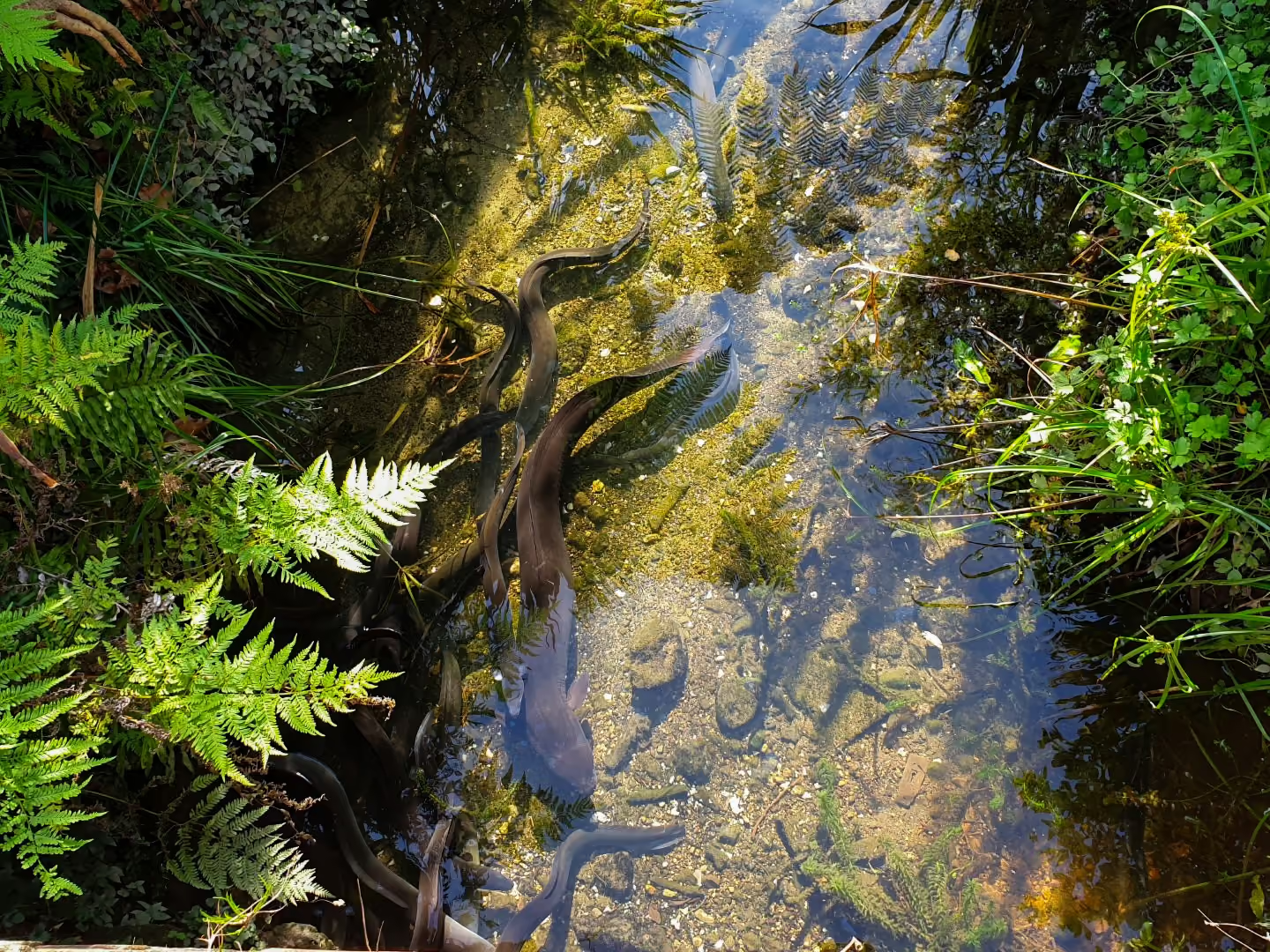


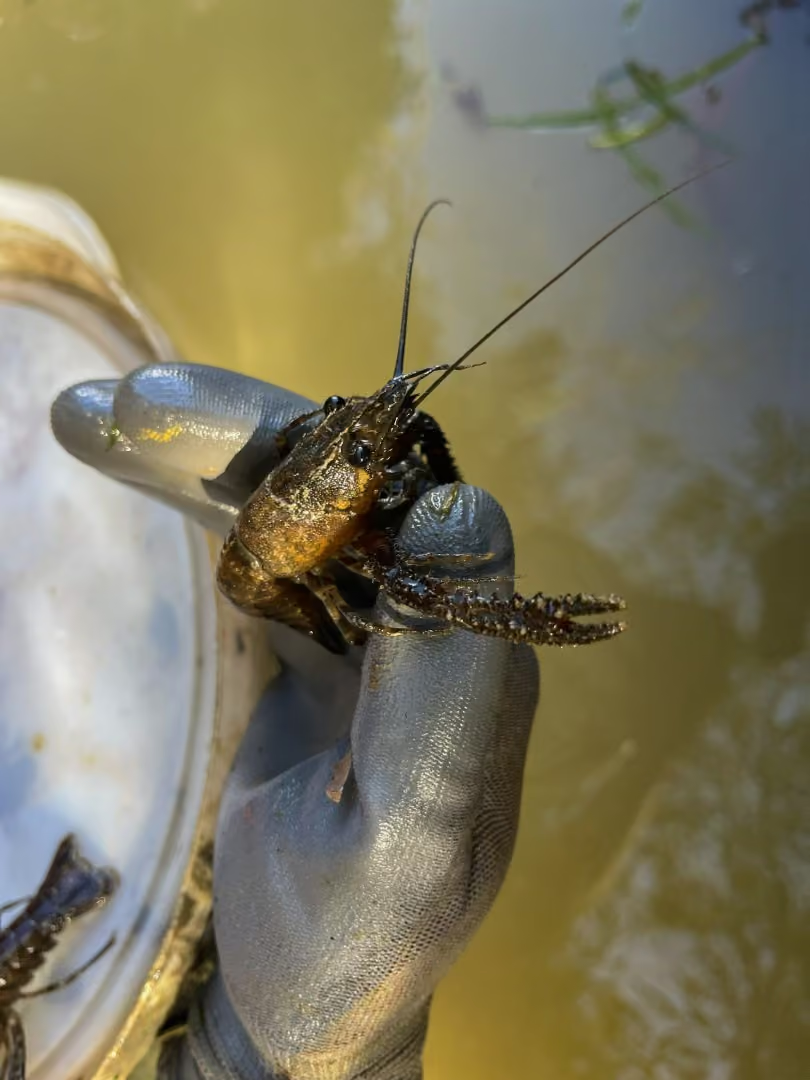
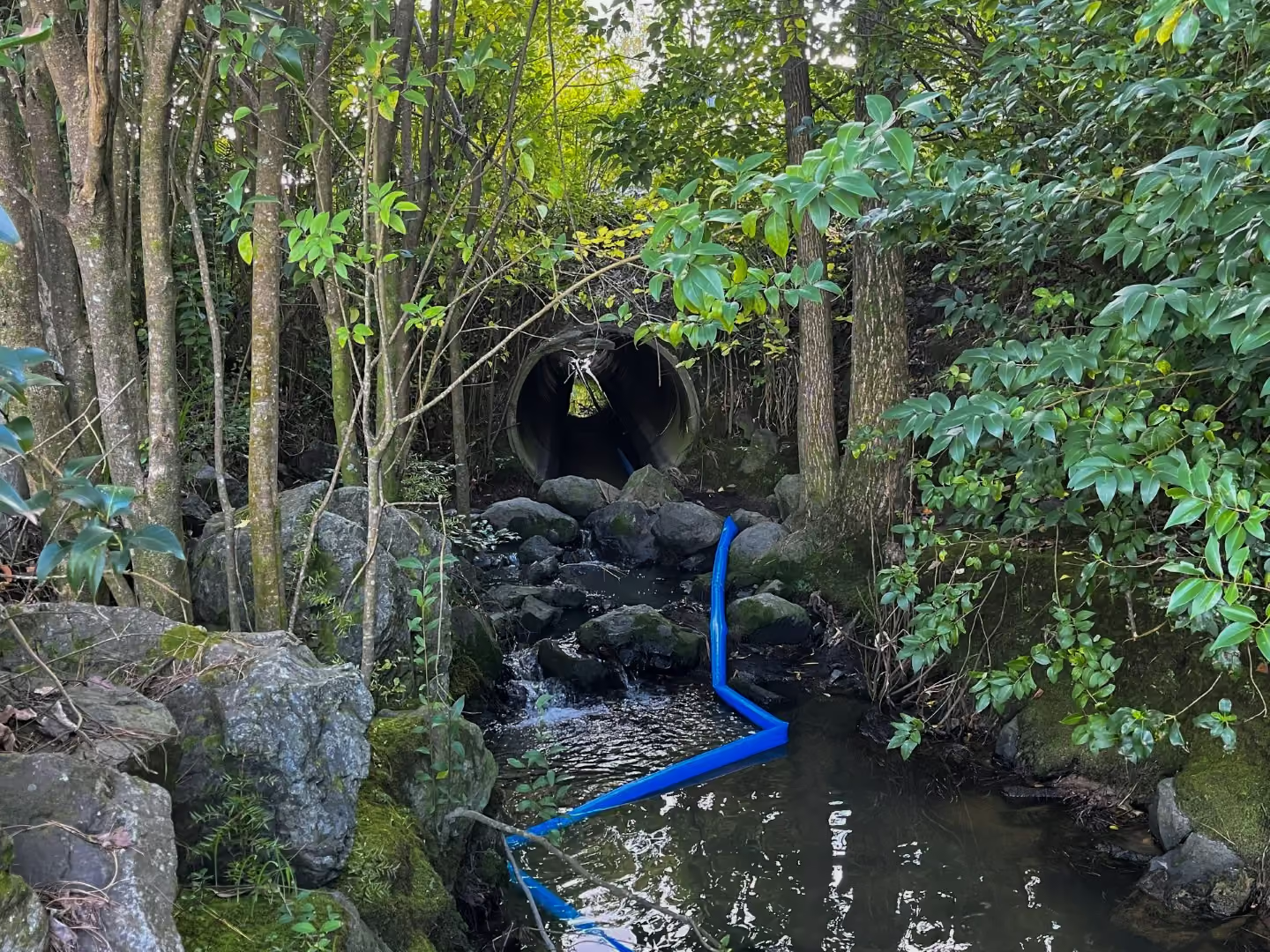
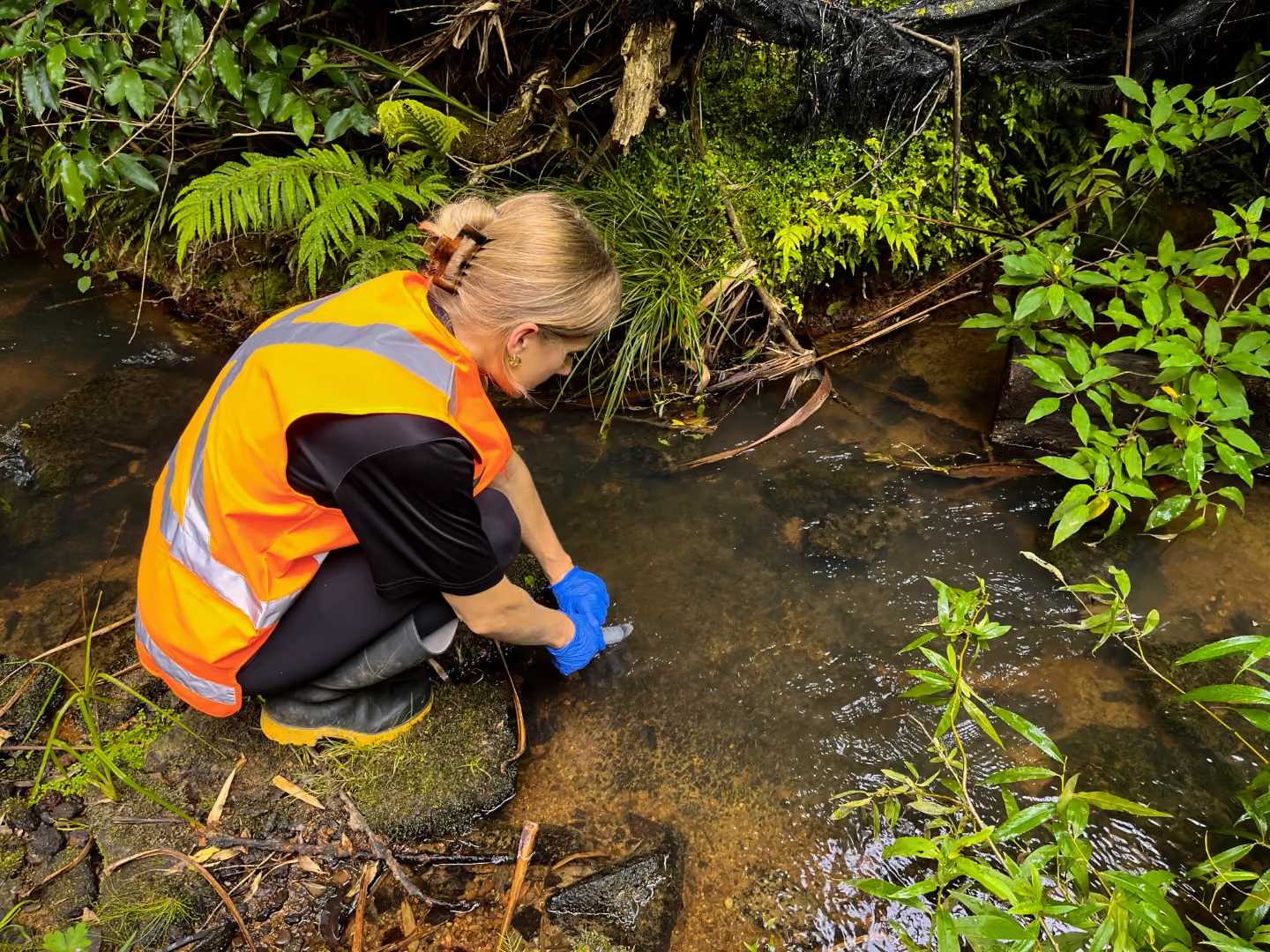
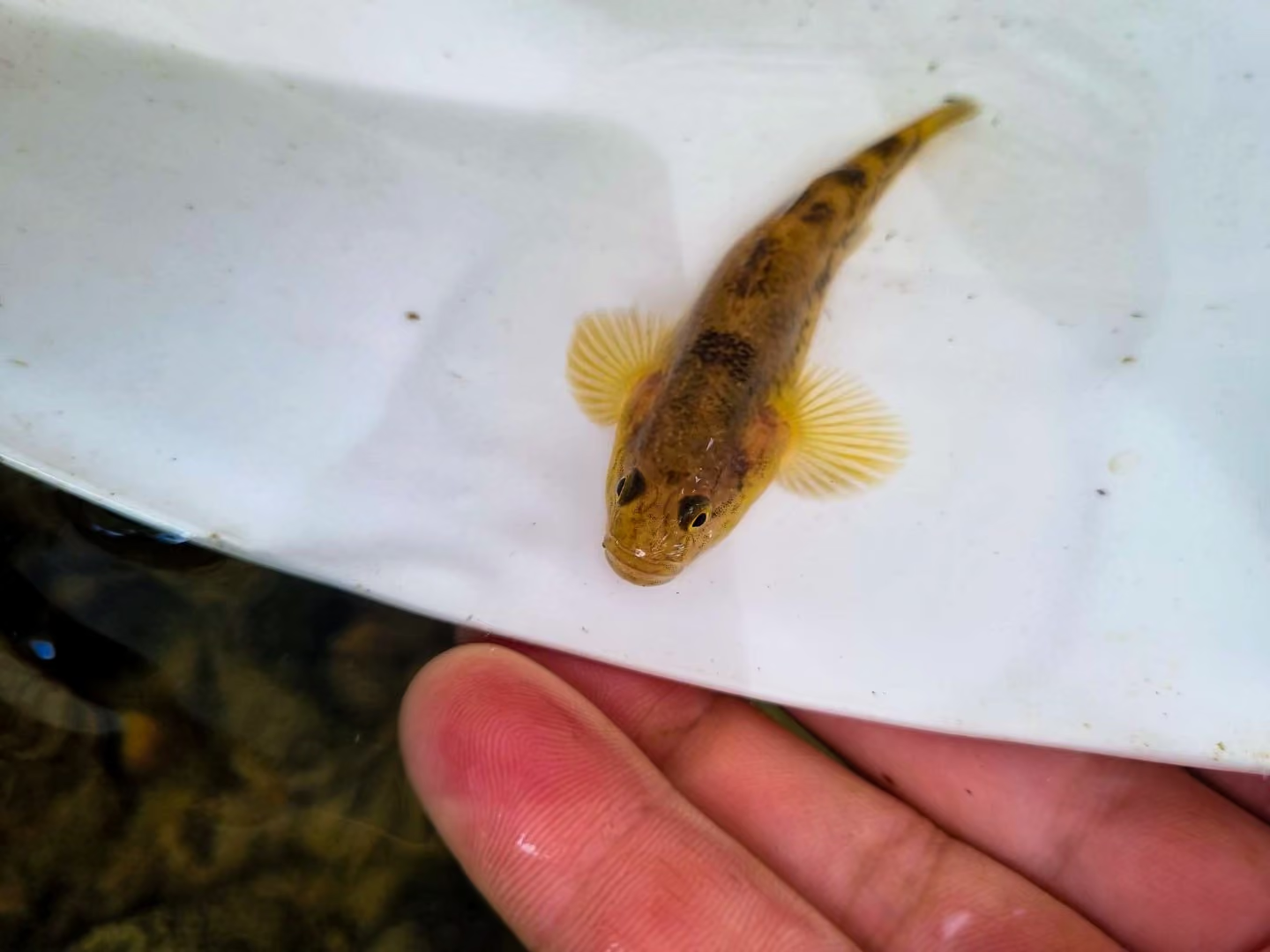
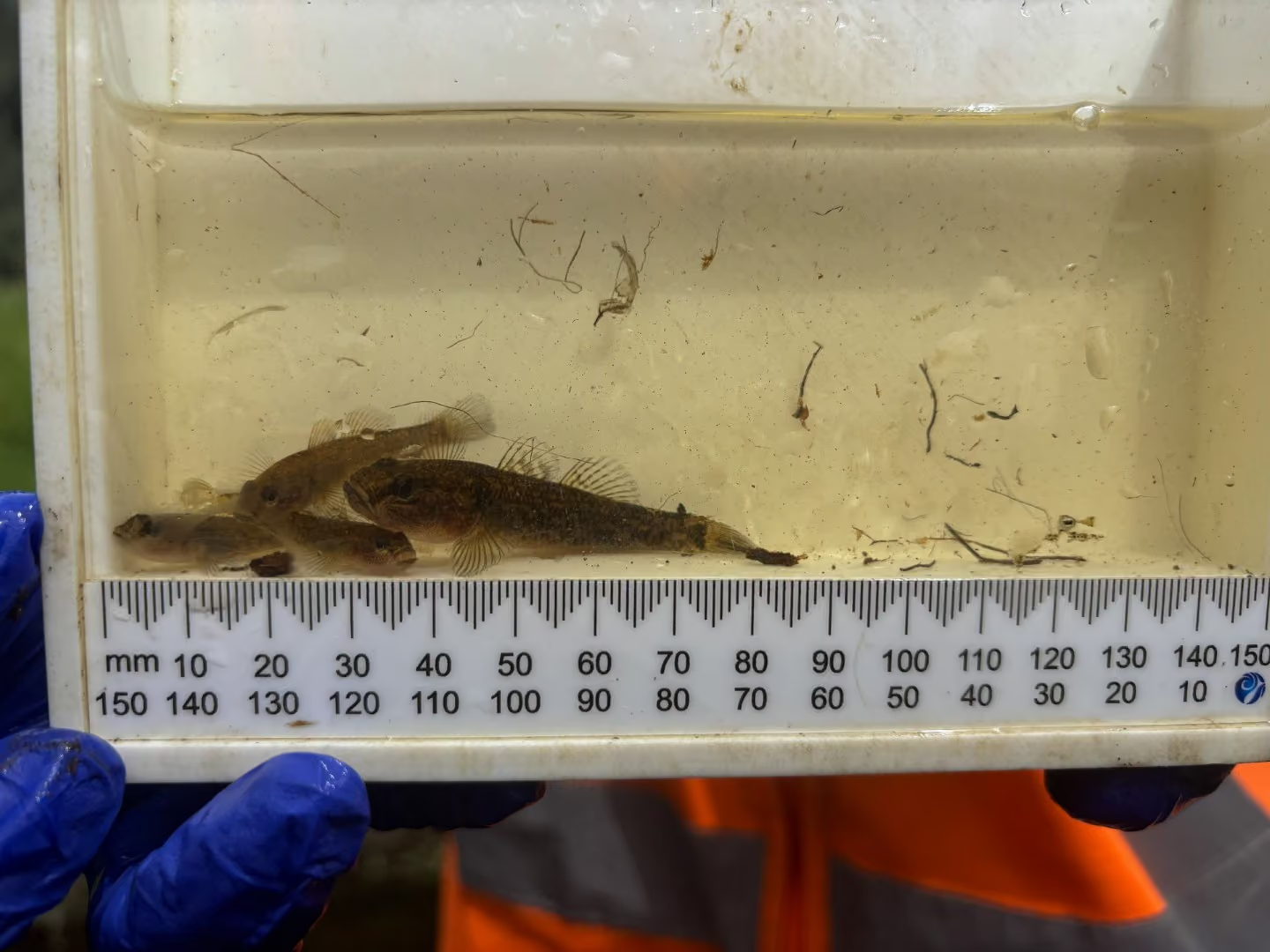
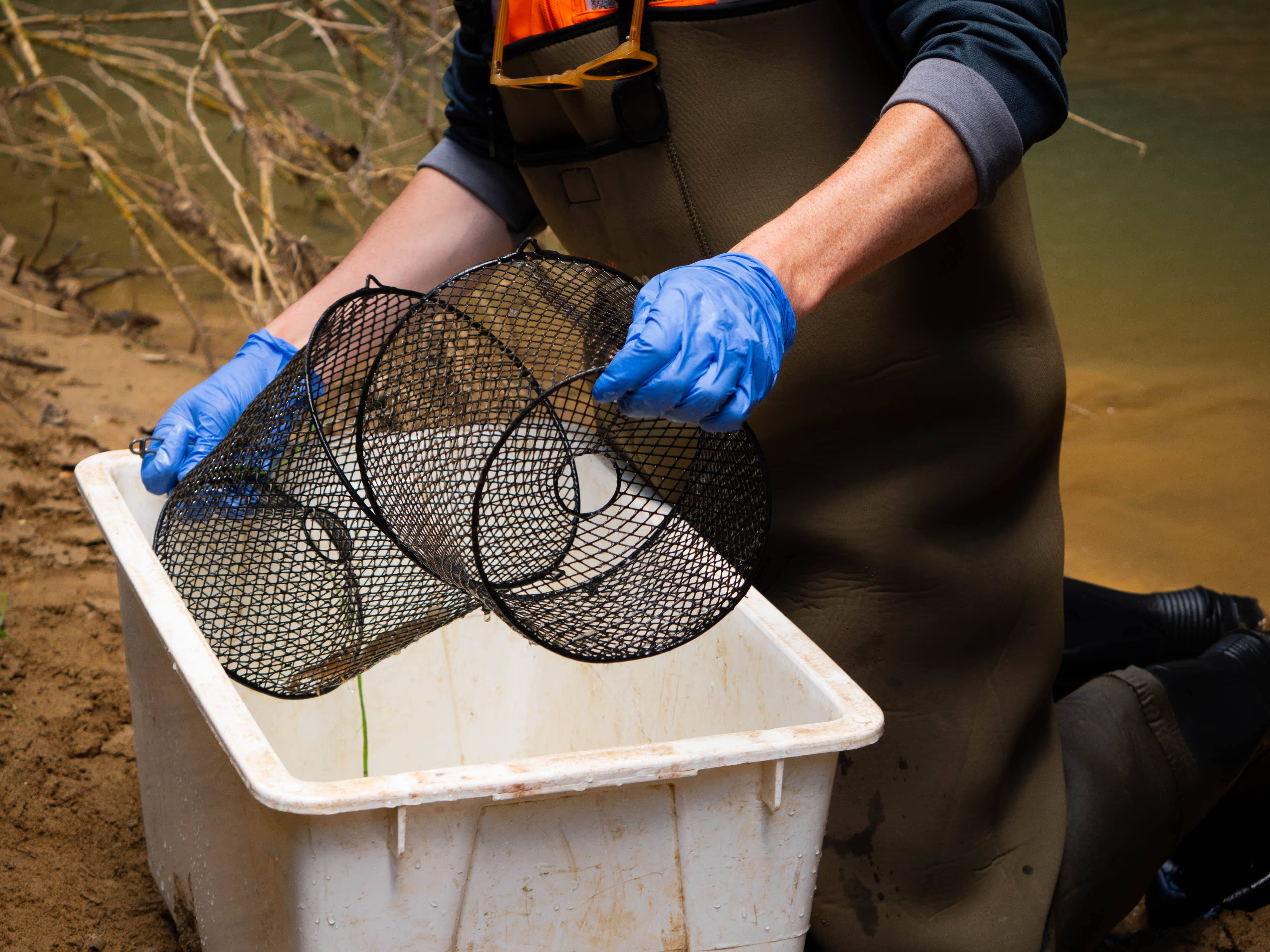
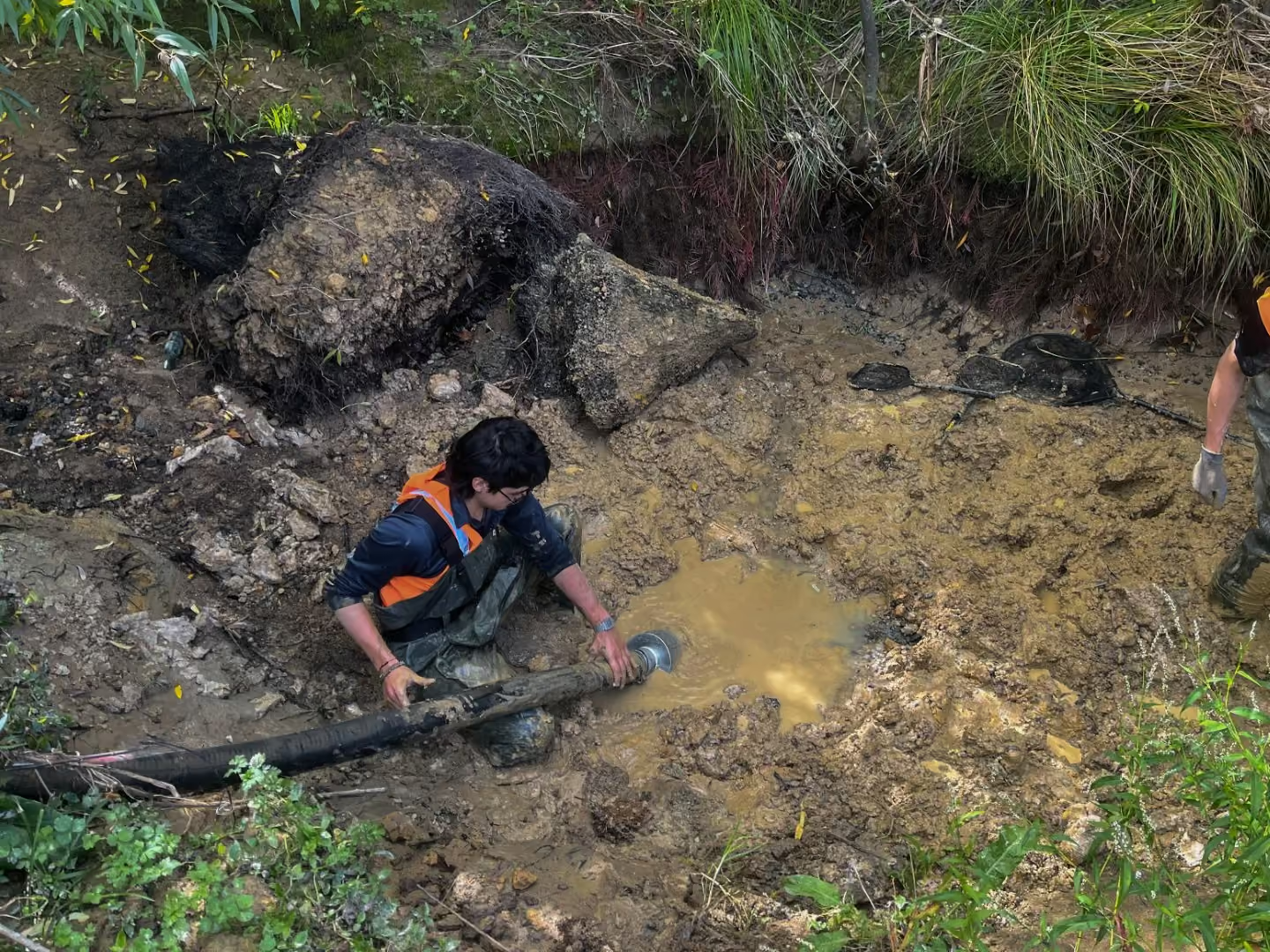

Fish salvage and relocation is the humane and safe capture of native fish from an area about to be disturbed by works and releasing them into suitable habitat nearby. In New Zealand, this is carried out under an MPI Special Permit and is often required before a stream, drain or pond is dewatered. A freshwater ecologist plans the work, runs the capture and records what was moved.
You’ll need fish management when your works will isolate, dewater or disturb a waterway that holds fish and your consent or the asset owner requires it. This could include streams, drains, wetland or ponds. Capturing fish during works also needs the right permit, whether or not it's a consent condition.
If you're unsure, send us your consent and methodology and we'll be able to help you understand what applies.
Capturing native fish for relocation requires an MPI Special Permit under section 97 of the Fisheries Act 1996. Morphum holds one, so most projects don't need their own application. Some work needs further approval, and we confirm what your site needs when we scope the job.
A Fish Management Plan sets out how fish will be safely captured, held, moved and released during your works, and how the results will be reported. It draws on initial survey results and your construction methodology so trapping and dewatering happen in the right order and work with the project schedule. Councils commonly require one before instream works begin.
It varies depending on the site. Smaller sites can be hand netted, which means our team will fish until we either reach the minimum time required or stop catching fish, which can sometimes be done in a single day. Overnight netting using fyke nets and gee minnow traps usually runs over two or three nights before dewatering, and longer if catches stay high. An ecologist then stays on site from the start of drawdown until the area is dry and searched. We'll give you a timeframe once we've seen the site, since its size, habitat and fish numbers all affect it.
Electric fishing, or electrofishing, is one of the humane capture methods we use when water depth, clarity and conductivity suit it and it's the most effective way to clear a reach. On public conservation land, electric fishing needs a separate approval from the Department of Conservation, and it is something that Morphum is able to support with.
Yes. Our ecologists can look at your isolation and dewatering design early and suggest changes that make fish recovery easier, such as staging the drawdown or positioning a sump where fish will gather. Morphum's engineers can also support the design itself if your project needs it.
Fish management often sits alongside water quality monitoring, fish passage monitoring, wetland delineation or an ecological impact assessment. Our team can coordinate these with the fish work, so your project deals with one consultant across its freshwater requirements.
Yes, we work with fish, but also lizards, birds, bats, plants and invertebrates depending on what your site requires. Getting in touch early about all of your requirements means that our team can coordinate all of the required assessments or plans for you, leaving you free to manage your project.