
Ecology Assessments and Environmental Plans for High-Risk Emergency Infrastructure Works

Location
Auckland-Wide
Client
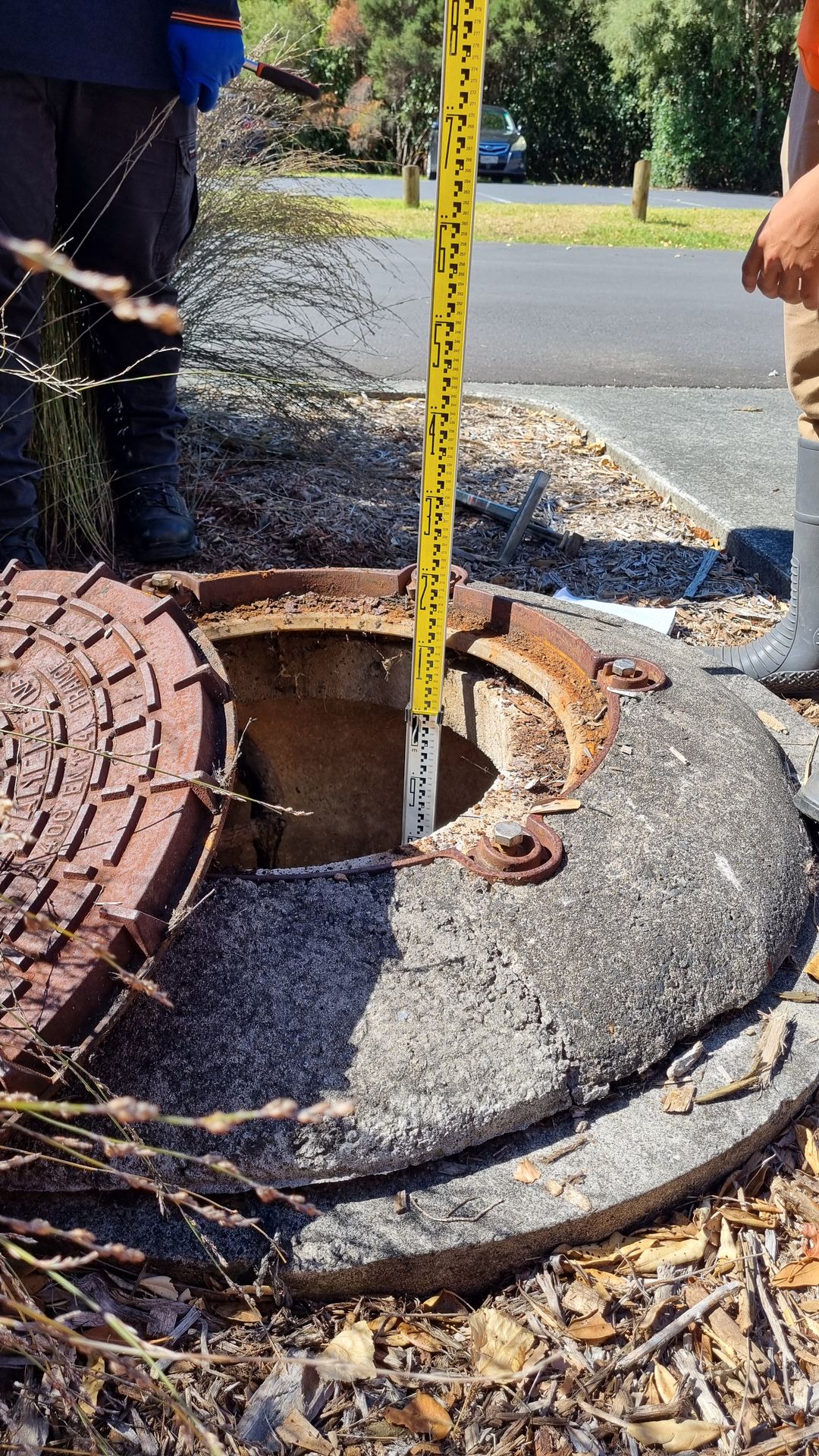
When Auckland experienced both the Anniversary Weekend floods and Cyclone Gabrielle in early 2023, the damage extended far beyond and far below roads and properties. Across the region, critical infrastructure was exposed, undermined, or destroyed by flooding and landslides, creating risks to public health, water quality, and the surrounding environment.
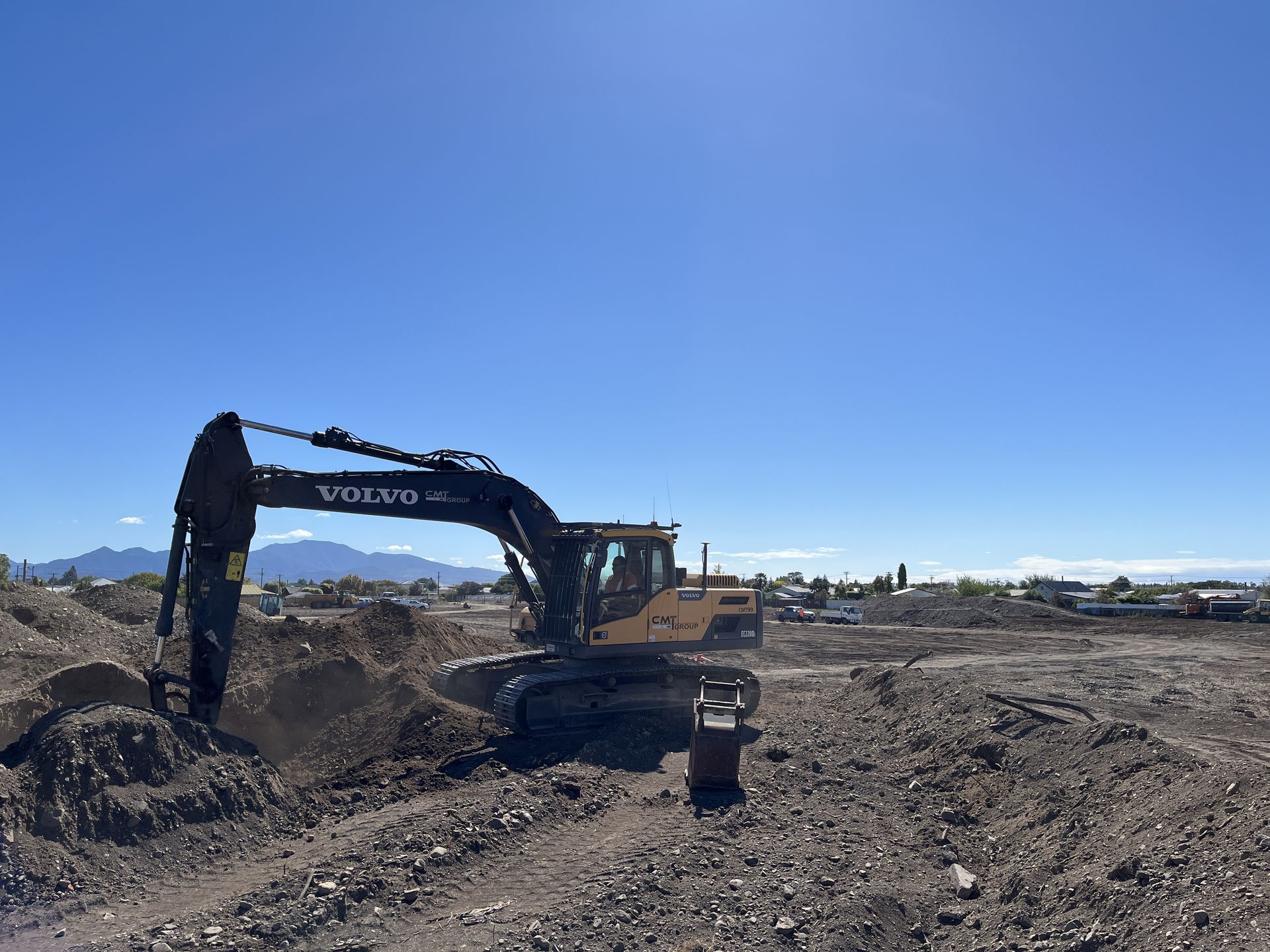
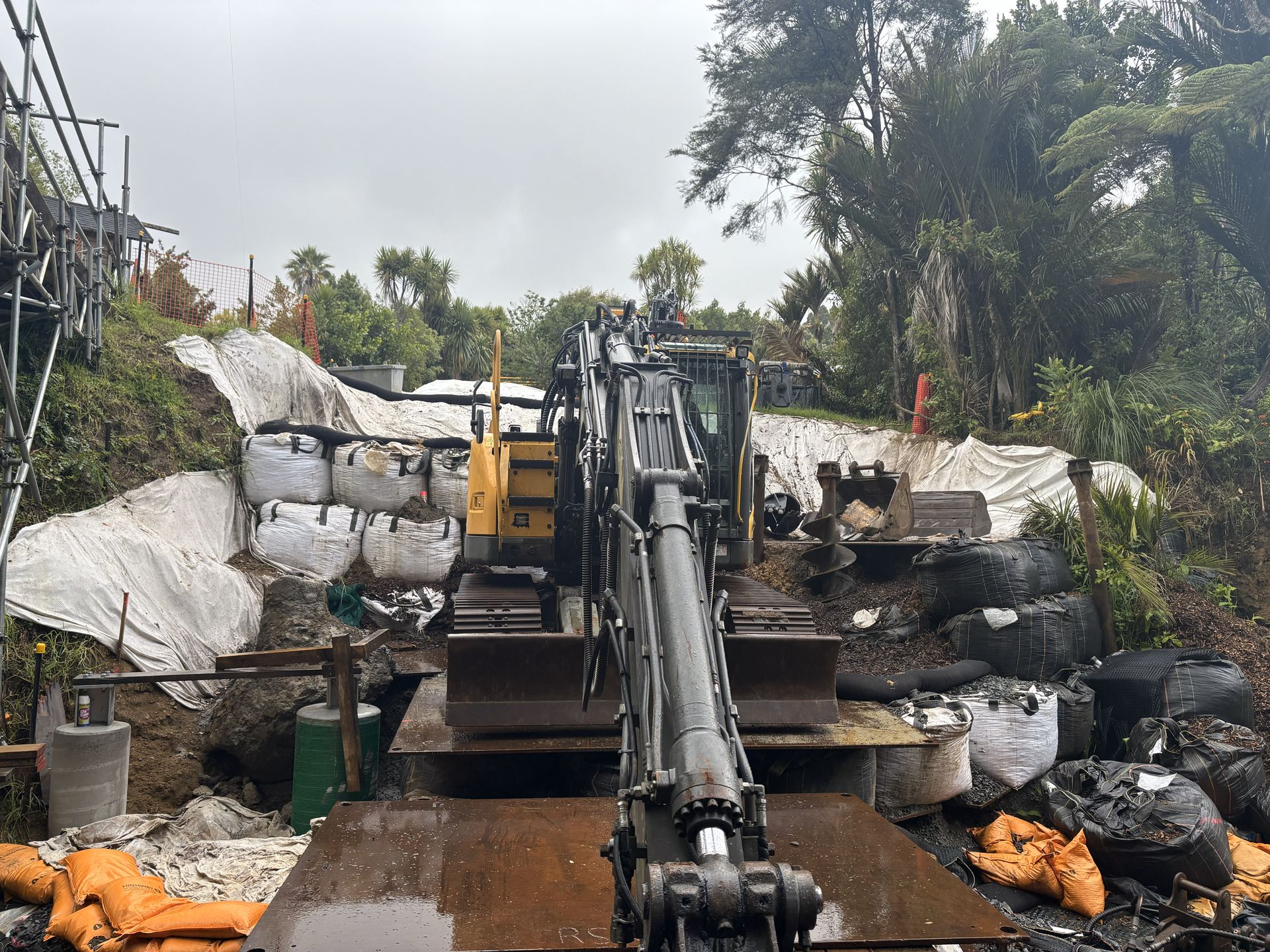
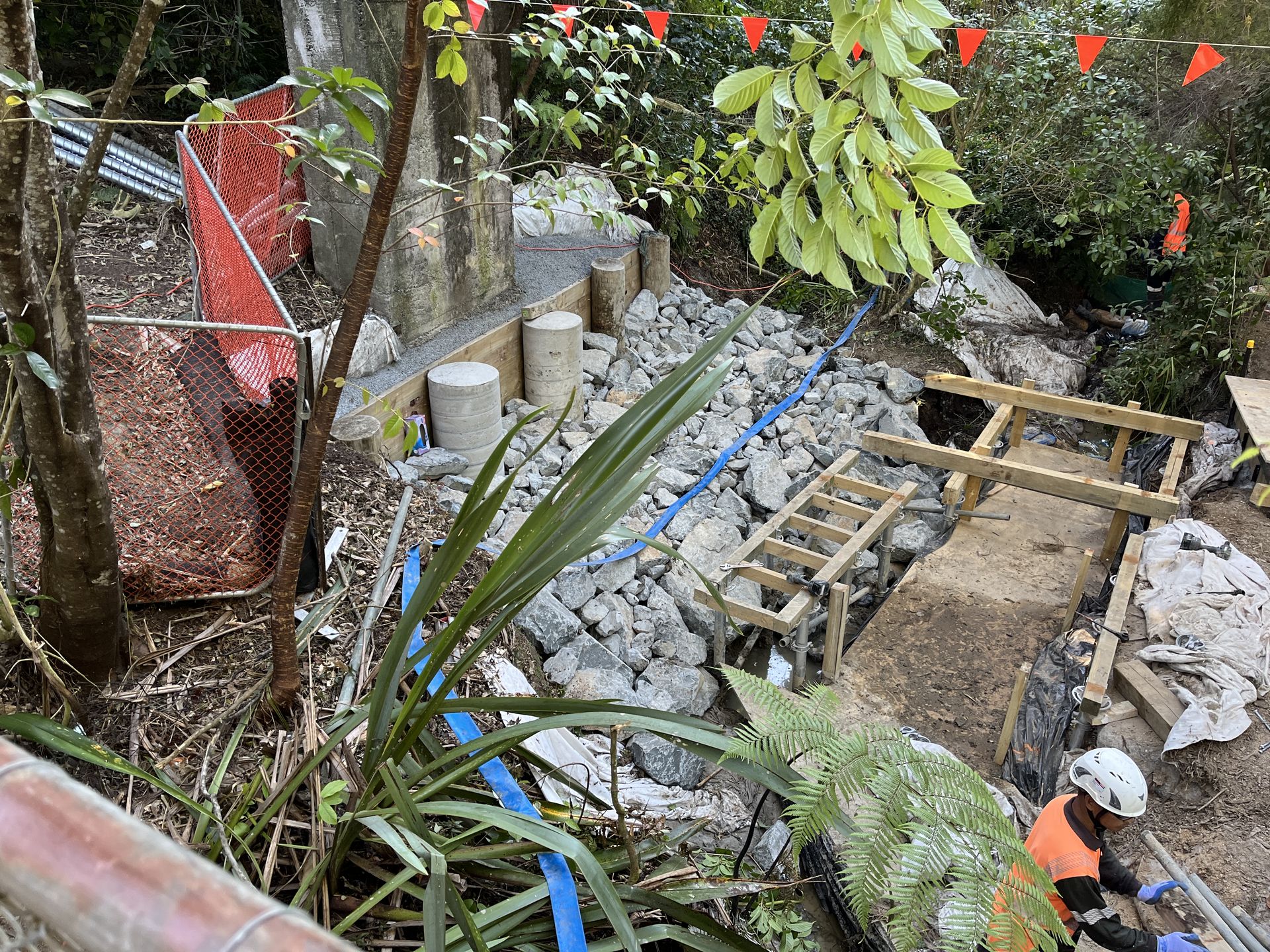
Initially engaged by Watercare as part of its Asset Upgrades and Renewal (AUR) Programme, Morphum's role quickly expanded as the widespread scale of the impacts became clear. Watercare appointed Morphum as its primary environmental and ecological consultant for the Emergency Flood Response Programme, supporting the recovery and remediation of damaged assets across 41 sites throughout the Auckland region. Many of the sites were in the middle of dense bush and in or around natural waterways, making them highly sensitive sites with very limited access.
Emergency infrastructure works often need to proceed rapidly, with consenting pathways addressed retrospectively where necessary. Speed doesn’t remove the responsibility to protect sensitive environments though, and so working alongside Watercare, contractors, engineers, and programme managers, our team helped establish an environmental management approach that prioritised avoidance of ecological effects while enabling damaged infrastructure to be repaired as efficiently as possible.
Our environmental scientists and ecologists undertook scoping assessments across all 41 sites, that identified environmental values and informed site-specific management strategies before works commenced.
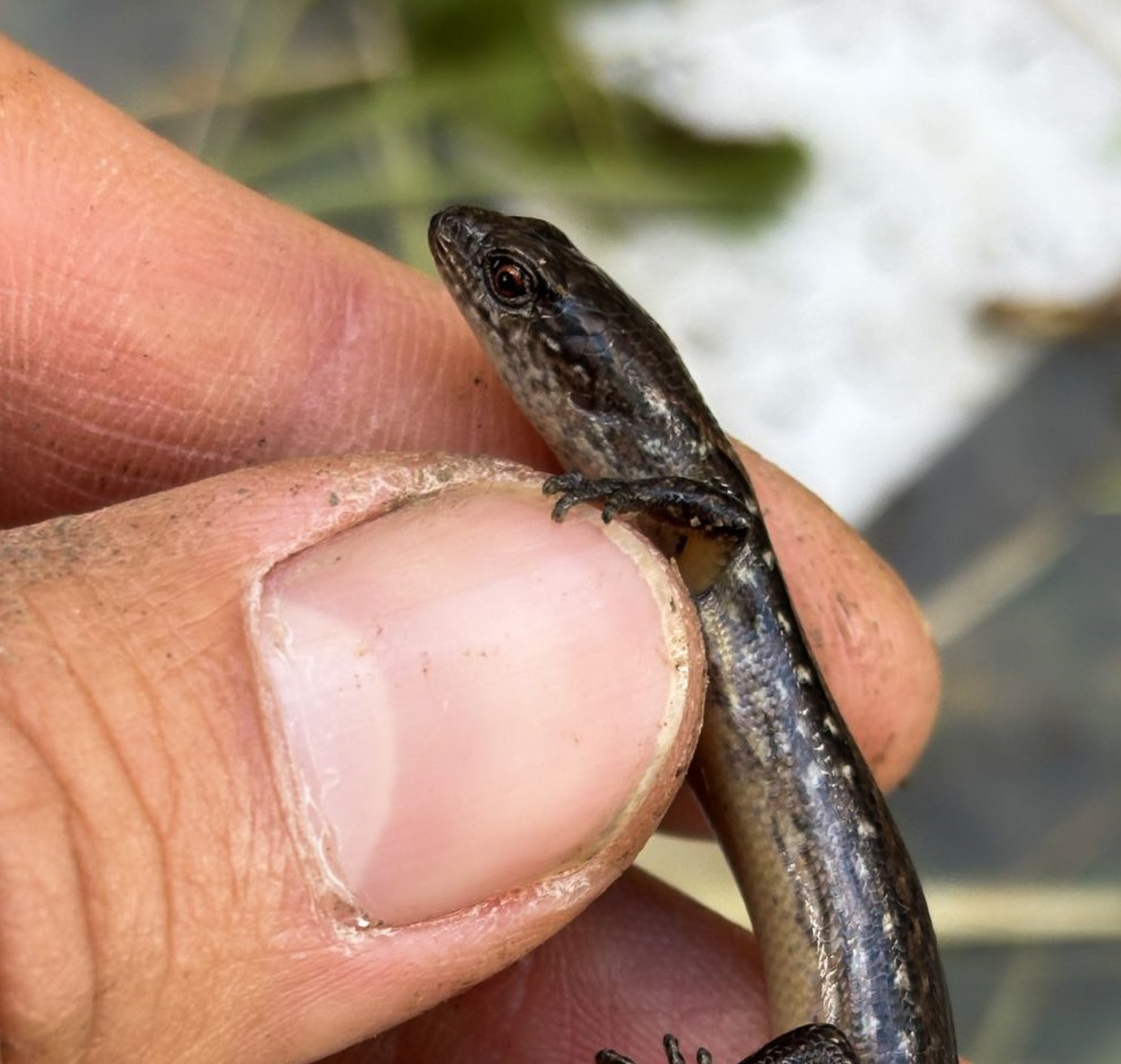
Throughout construction, our specialists worked alongside project teams on-site to provide environmental supervision, practical advice and bespoke solutions as conditions evolved, avoiding unnecessary onsite delays and ensuring works were environmentally responsible and in accordance with industry best practice. This included:
Close collaboration between ecologists, engineers, contractors, and project managers meant that environmental considerations could be integrated into construction decisions, rather than treated as separate compliance exercises.
Where unexpected challenges arose, practical and bespoke solutions were presented that maintained project momentum and protected the ecosystems of the sites.
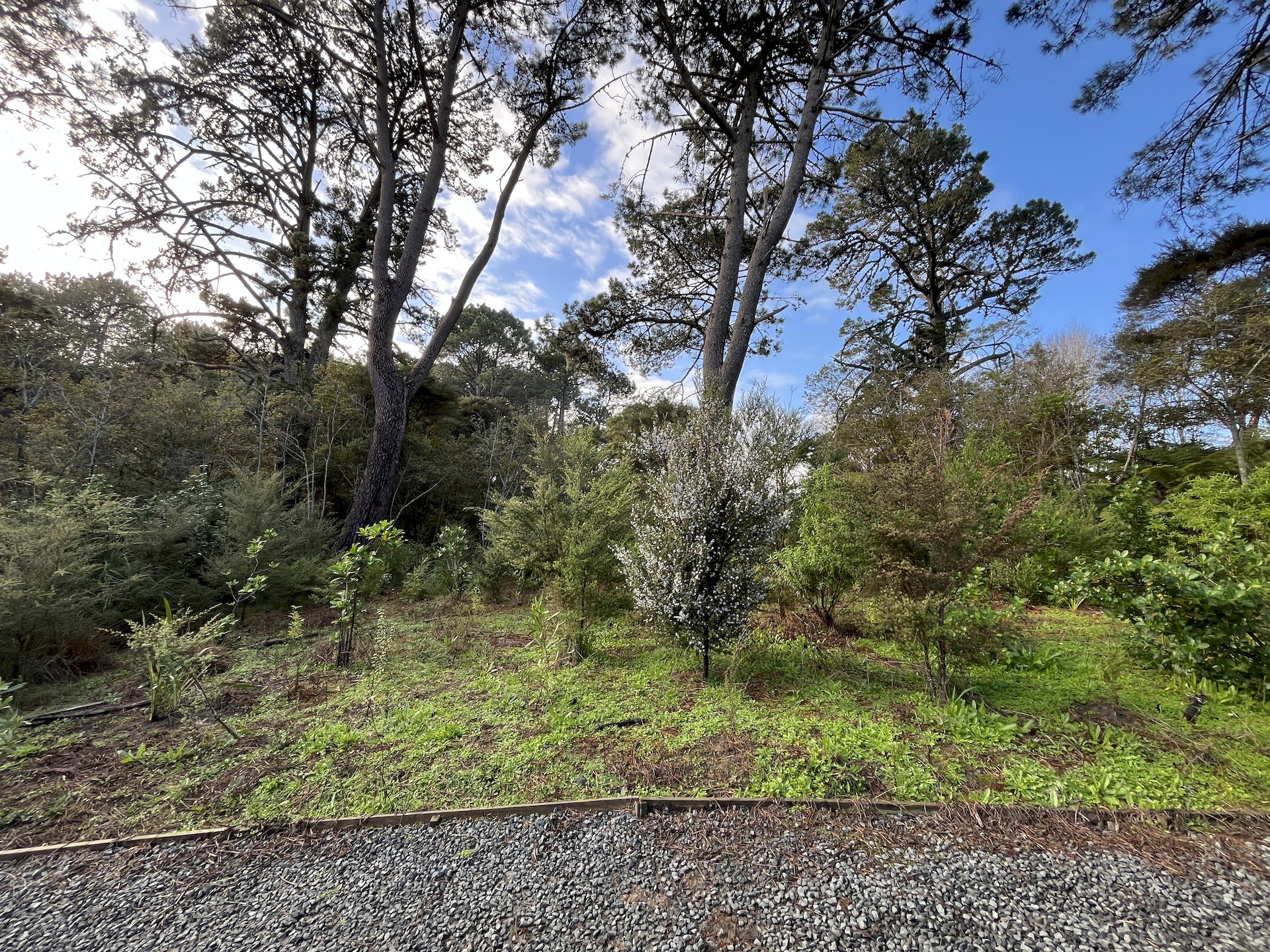
Following the works, Morphum prepared completion reporting, ecological assessments, planting plans, and where required, Ecological Impact Assessments to support retrospective consenting.
As a result, approximately 91% of the 41 flood recovery sites were able to demonstrate no residual adverse ecological effects, which led to 37 sites avoiding the need for retrospective ecological consents, significantly reducing programme risk, delays, and consenting costs for Watercare.
In many cases, environmental effects were managed to a level where ecological offsetting or compensation measures were not required, providing further savings while maintaining strong environmental outcomes.
By embedding ecological planning into emergency response and maintaining close collaboration throughout construction, Morphum helped restore essential wastewater assets while protecting Auckland's natural environments. The result was a pragmatic, evidence-based approach that supported both infrastructure resilience and environmental stewardship.
.jpg)



.jpg)
.jpg)
%20(7).jpg)
.jpg)
.JPG)