
Looks like you might be in Australia
You've landed on our NZ website, click the link below to head to the Australian site, or click out of this box if you are actually in NZ!
Visit Australian SiteStay on NZ website instead

Understanding greenhouse gas (GHG) emissions is becoming an essential part of how organisations manage environmental performance. For many businesses, taking that first step towards establishing a reliable baseline can feel complex, particularly when data systems are still developing.
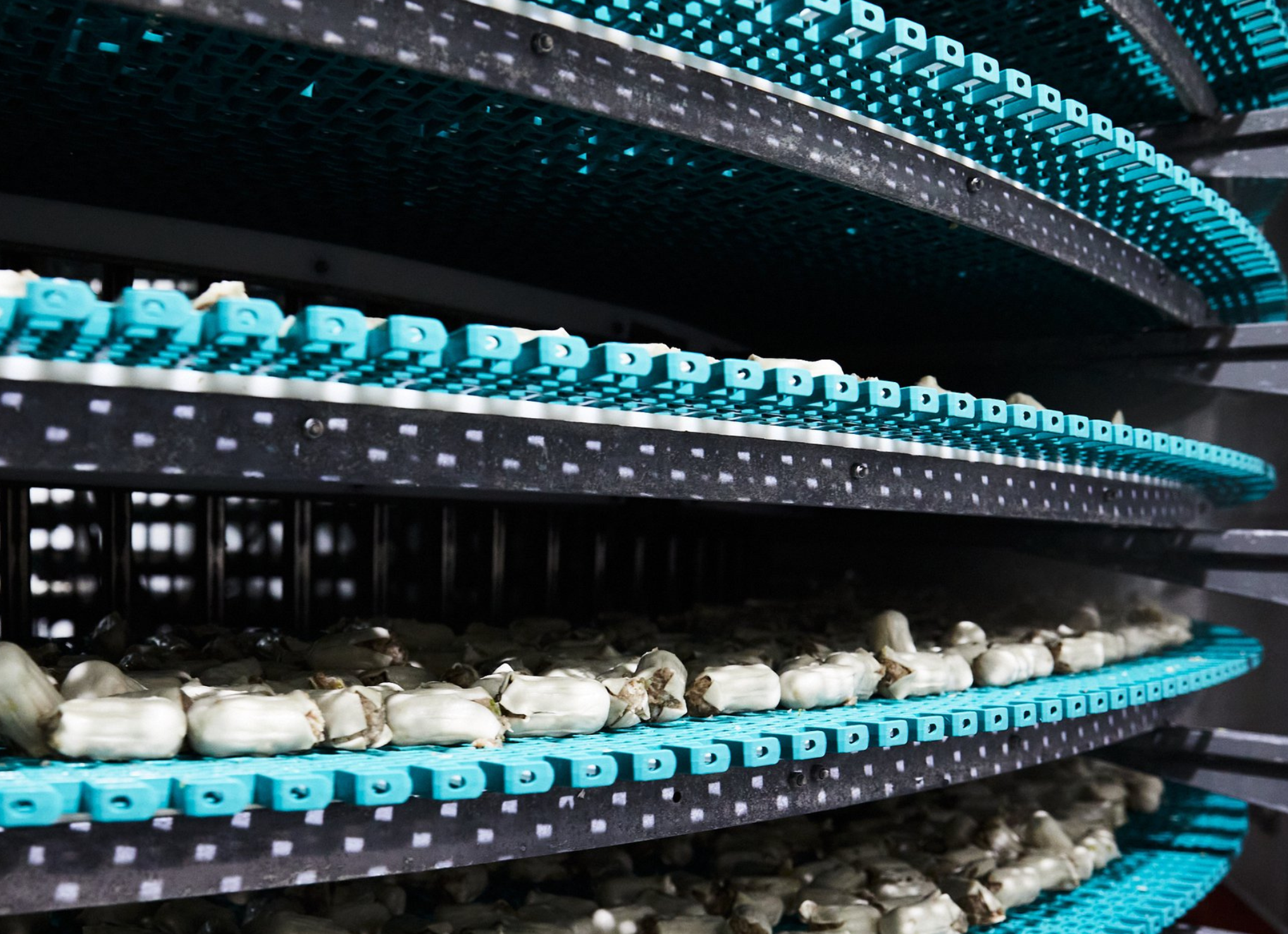
Morphum was engaged by Marathon Foods Pty Ltd, a Melbourne-based frozen food manufacturer, to support the development of their first GHG emissions inventory. This work formed part of a broader environmental improvement programme following a SEDEX Members Ethical Trade Audit (SMETA), which identified gaps in environmental reporting and management.
The focus was on creating a methodology that was both robust and achievable. Rather than introducing complex systems, our approach aligned with the GHG Protocol, which is the world’s most widely used greenhouse gas accounting standard, while also remaining proportionate to Marathon’s current data maturity.
This meant working with the information already available and building a transparent, repeatable framework that could be refined over time.
Morphum worked with Marathon to establish a practical and defensible emissions baseline aligned with the GHG Protocol and Australian Government emissions factors. Using a combination of existing operational data, energy reporting, and internal records, the assessment quantified Marathon’s Scope 1 and Scope 2 emissions for the reporting period while identifying key emissions sources across the business.
The process also highlighted opportunities to strengthen future environmental data collection and reporting processes, helping to support ongoing improvement over time.
The outcome was a structured and defensible emissions baseline, supported by a consistent methodology that can be applied in future reporting periods, giving Marathon the foundation to make measured improvements to their environmental impacts.
With the baseline set, Marathon Foods can meet key SEDEX audit requirements while also supporting the development of a broader Environmental Management System. With a baseline now established, the organisation is better positioned to track performance, set targets, and identify opportunities for emissions reduction.
Establishing a meaningful emissions baseline does not require perfect data or complex systems from the outset, and with the support of Morphum’s sustainability consulting team, more organisations can begin to build a foundation for ongoing environmental improvement.




.png)


.jpg)