
Forestry Site Ecological Surveys for High-Conservation Value (HCV) Areas

Location
North Island
Client
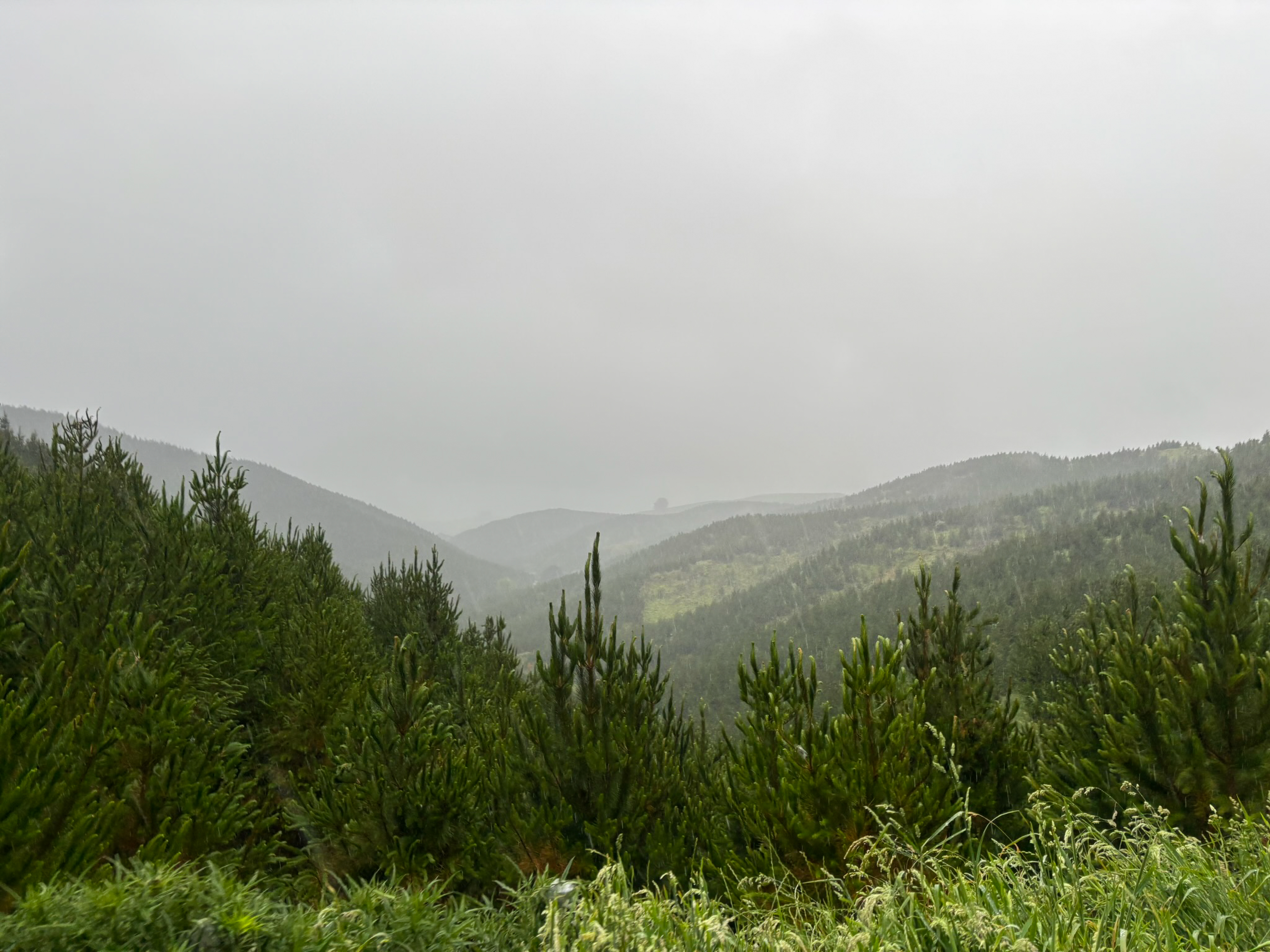
Plantation forest landscapes are often seen solely through the lens of timber production. However, within these managed landscapes, there are often areas of native biodiversity that contribute to ecosystem health within the plantation and support ecological processes and resilience across the broader landscape.
Morphum was engaged by a forestry operator to identify High Conservation Values (HCVs) across eight plantation forests in the lower North Island. The goal was to support their journey toward Forest Stewardship Council (FSC) certification, which would improve the environmental, social and reputational impacts of their products.
Our approach began with a targeted desktop assessment to build a baseline understanding of the biodiversity values within each site, the surrounding landscape and connections between them. This included reviewing spatial data relating to land cover, hydrology, geology and protected areas, as well as records of native species populations and distributions.
The desktop assessment informed infield assessments of the status of native vegetation, wetlands, freshwater habitat and associated species. This Habitat connectivity, hydrology, and the function of ecological corridors. The assessments also identified potential threats, such as habitat fragmentation and browsing pressure from wild ungulates.
By combining field observations with spatial analysis, we developed a detailed understanding of how each site functions, and the ecosystem services values they provide as part of a wider ecological network, rather than as an isolated unit.
Across the forestry blocks, identified High Conservation Values included remnant podocarp stands, functional natural wetlands improving freshwater quality, and viable refuge for transitory native manu. One exciting discover was the presence of a viable, multi-generation kōura population within a natural river that flowed through the centre of the plantation areas.
These findings contributed to site-specific HCV assessments and management recommendations, aligned with the National Policy Statement for Indigenous Biodiversity and international HCV guidance. These can now be used to both support FSC certification, and to deliver long-term positive outcomes for te taiao (the environment).
Through this work, the team was able to show that production landscapes and conservation outcomes are not mutually exclusive. With the right understanding and management, working timber forests can support ecological resilience alongside economic value.
.jpg)
.jpg)
.jpg)



.jpg)
.jpg)
.jpg)
.jpg)
.JPG)
.jpg)
.JPG)