
Land Contamination Investigation, Management, and Remediation for land development

Location
Blenheim, Marlborough
Client

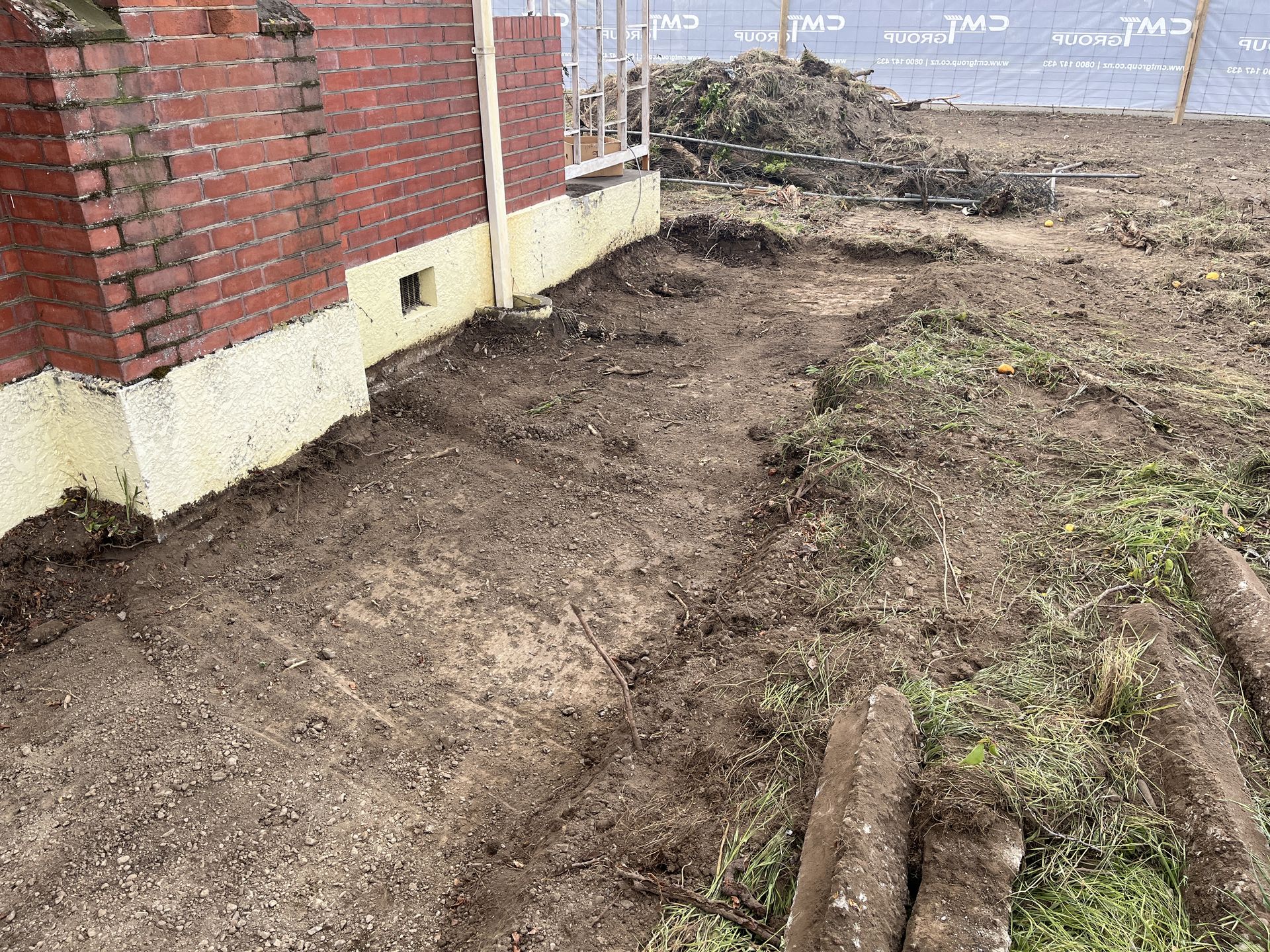
Redeveloping land with a rich or varied history often comes with uncertainty beneath the surface. At a site in Blenheim, previous investigations had identified areas of soil contamination linked to historic activities including pesticide use, lead-based paint, and disposal of incinerator waste.
Morphum’s land contamination team was engaged to support the redevelopment, which involved further investigating the contamination and overseeing the required remedial works.
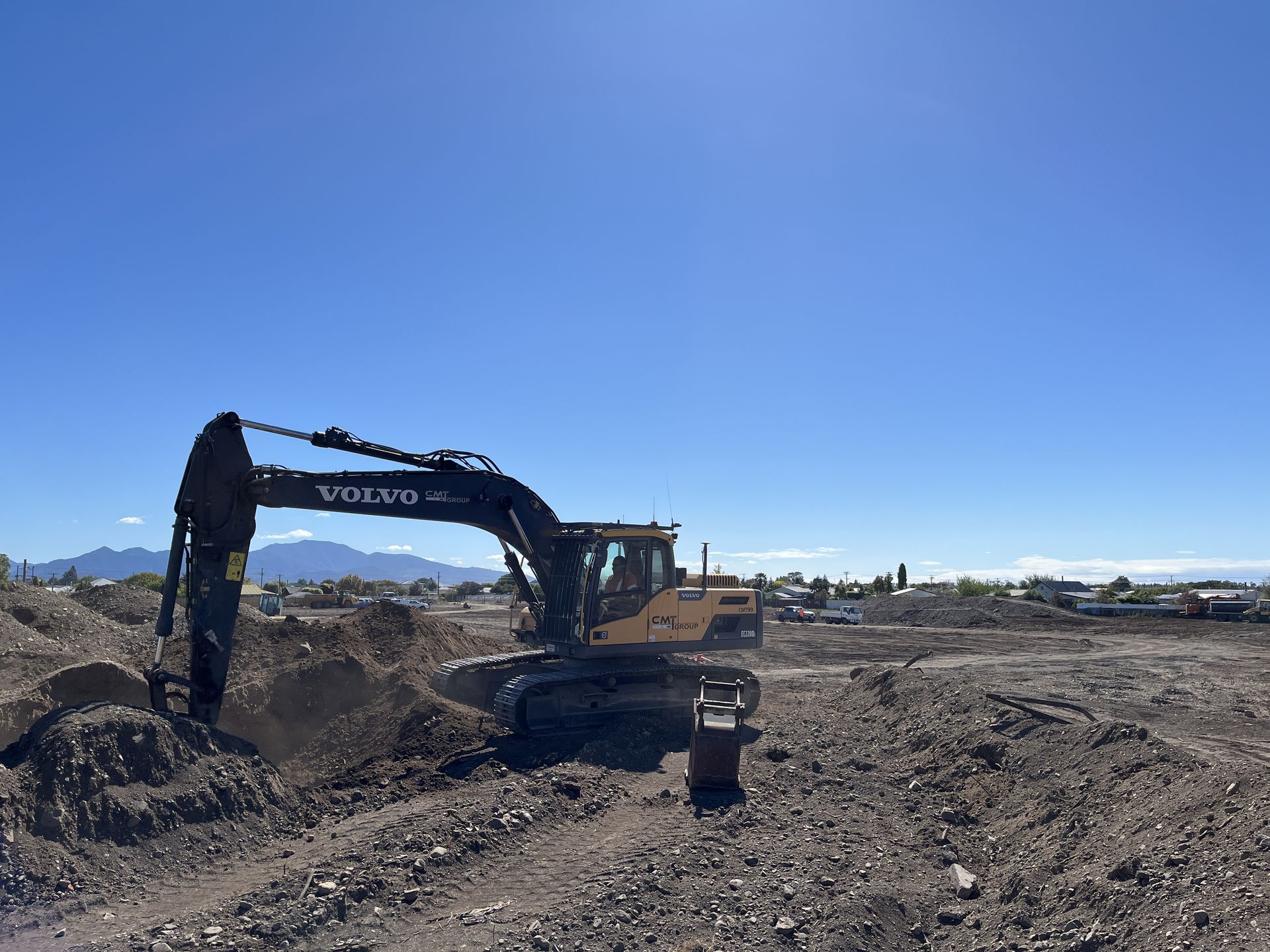
Throughout the project, we provided ongoing technical support during earthworks, remaining on call to respond quickly to unexpected site discoveries and council queries.
The initial focus was to better define the actual extent of the on-site contamination, beginning with a detailed review of the previous investigations and the Contamination Site Management Plan (CSMP).
Previous reporting on the site was unfortunately found to have mischaracterised some areas of contamination, leading to Morphum’s specialists revising the proposed management and remediation strategy that provided a much clearer picture of the risk areas and certainty of disposal volumes.
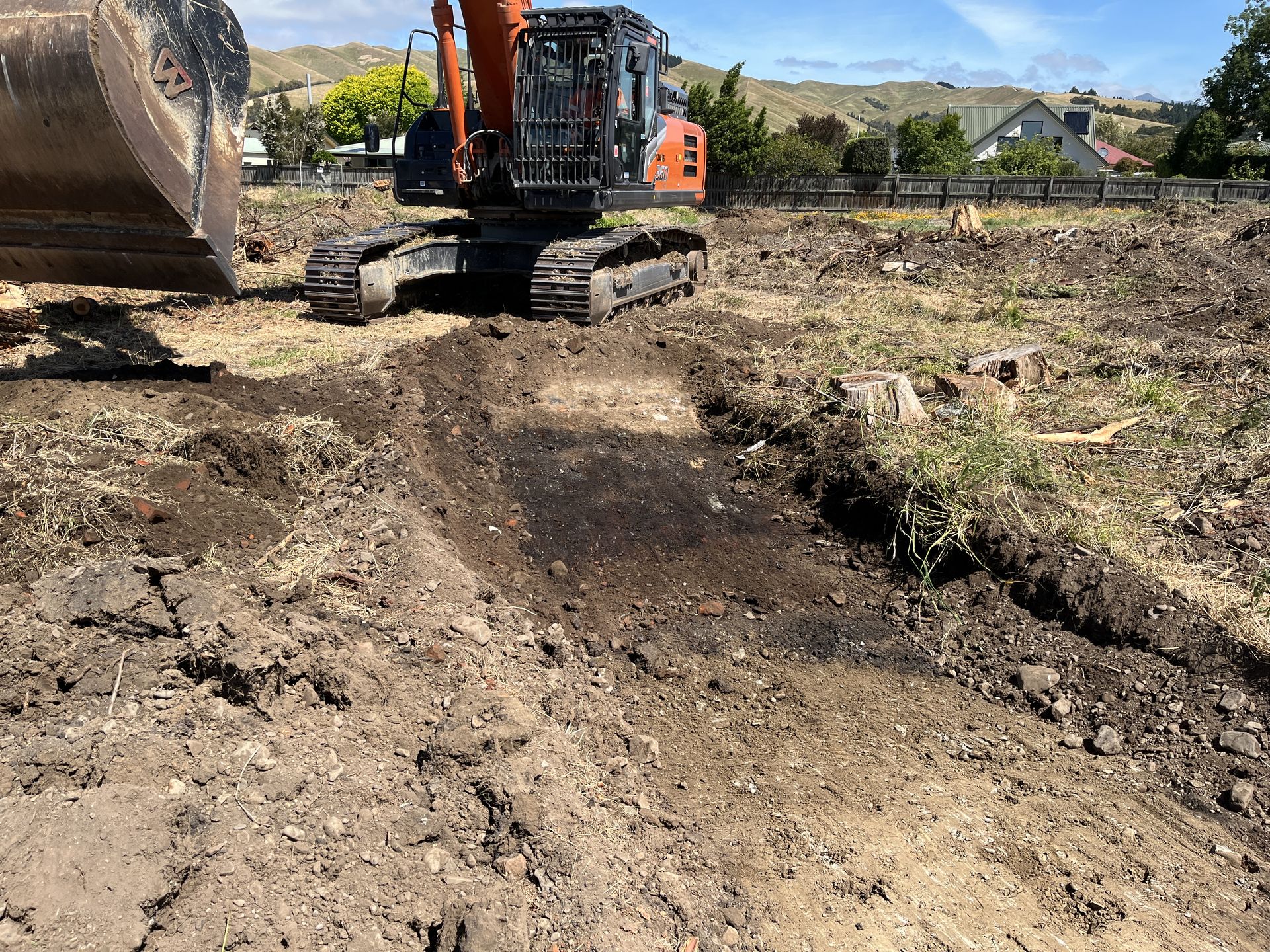
To screen the soils in real-time, providing nearly instant results, the team used a handheld x-ray fluorescence (XRF) device to identify the chemical compositions of the soils to assess for heavy metals, and delineate the soil, drawing the outline between the contaminated area and non-contaminated.
By delineating contaminant boundaries in real time, the team reduced the need for repeated laboratory analysis and follow-up site visits, helping to avoid delays and control project costs. This faster, more targeted investigation confirmed that contamination was less extensive than previously understood, reducing the volume of soil requiring disposal and giving the client greater confidence as the redevelopment progressed.
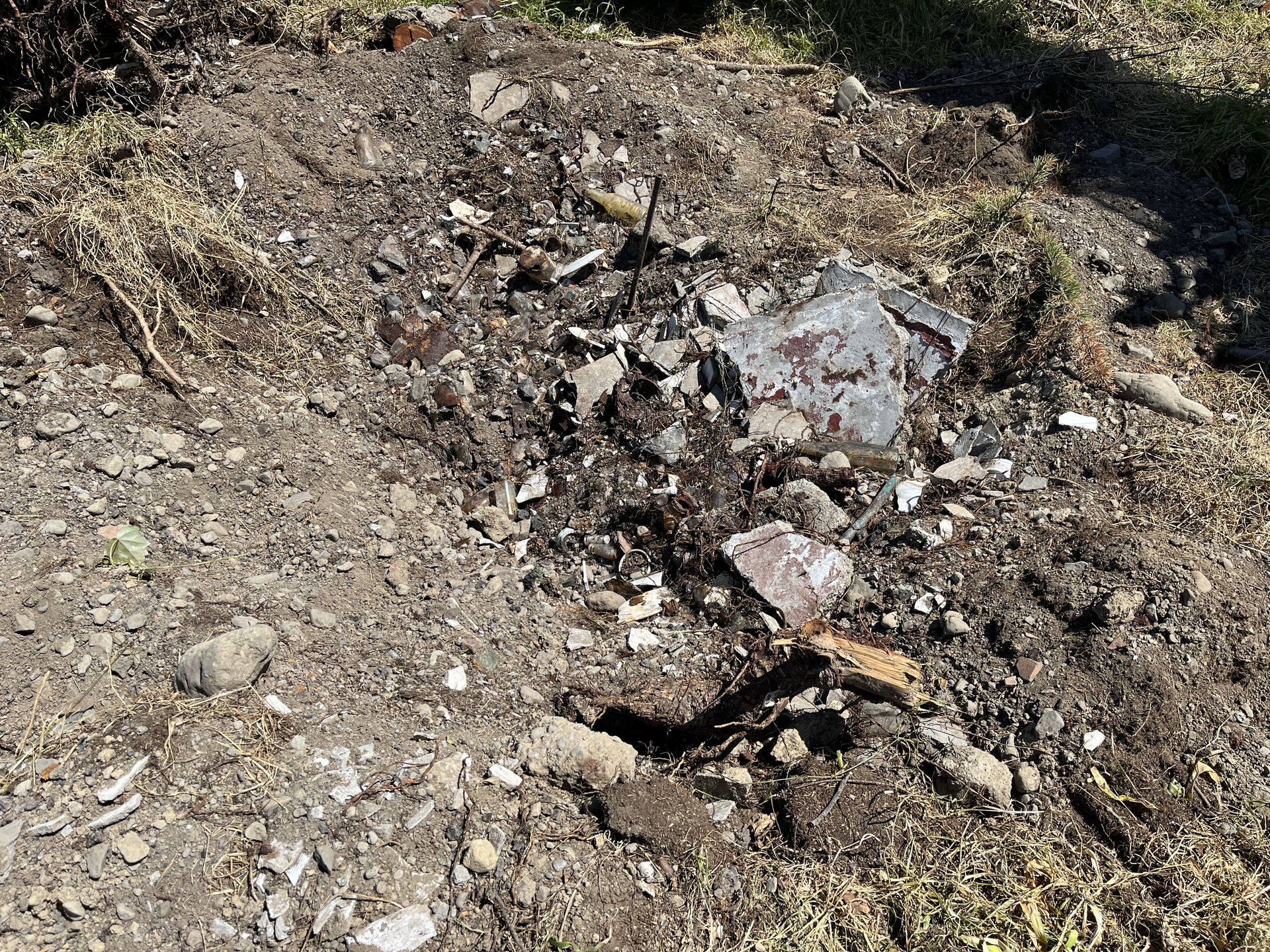
As the earthworks progressed, additional hidden contamination issues were picked up, including new ash and waste deposits and even asbestos containing materials (ACM) buried beneath the site.
Because Morphum had been working closely with contractors and supervisors throughout the construction process, the investigation team were able to provide responsive technical support both onsite and remotely, minimising unnecessary delays to the project.
Rather than applying broad, conservative management measures, Morphum used scenario-specific risk assessments that were practical for the project environment and tailored to the site conditions.
Although this required additional upfront planning, it reduced time spent on soil disposal and replacement, supported more efficient decision-making, and provided a more accurate basis for managing risks to human health and the environment
Through close collaboration between the contractors, developer and Morphum team, the project was able to identify, assess and safely remove contamination that could otherwise have posed risks to local communities and the surrounding environment.
This work provided the evidence base needed to prepare a Site Validation Report, documenting the further investigation findings, contamination delineation, remedial actions and outcomes achieved. It also supported the client in demonstrating regulatory compliance, giving council and project stakeholders confidence that contamination risks had been appropriately managed before the redevelopment moved forward.



.jpg)
.jpg)
.jpg)
%20(7).jpg)
.JPG)